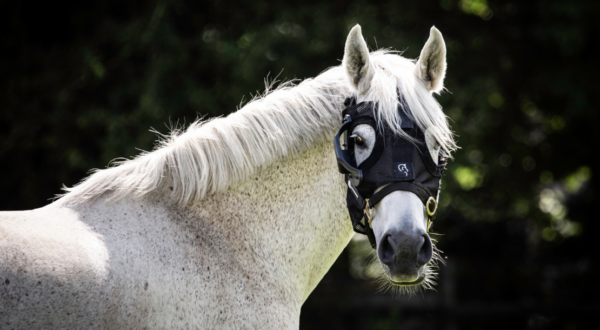
Light plays an important role in a horse’s natural biological rhythms, influencing seasonal changes in coat growth, reproductive activity, and daily patterns. For horses kept in stalls or managed under artificial lighting, daylight exposure may differ from what they would… Continue Reading →

As temperatures change and winter coats begin to grow, it’s time to get ready for clipping season. Whether you’re planning a trace clip, preparing for a show, or managing a heavier winter coat, proper preparation can make the clipping process… Continue Reading →

Fall is the perfect time to take a closer look at your horse’s health and routine before colder weather settles in. Pasture changes, shorter days, cooler temperatures, and more time spent in the barn can all mean adjustments to your… Continue Reading →
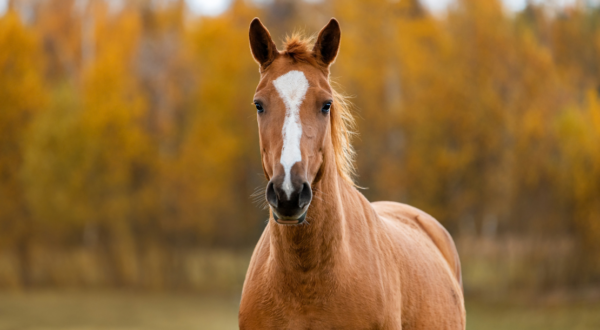
Fall brings a shift in the equestrian calendar. For many horses, pasture days are giving way to more time in the barn, frequent hauling, busy show schedules and the start of the indoor competition season. With more miles on the… Continue Reading →

The cool fall weather brings more than just bright leaves and crisp air. It also brings challenges for your horse’s hooves. As the climate shifts from wet to dry and back again, the constant cycle creates ideal conditions for infections… Continue Reading →
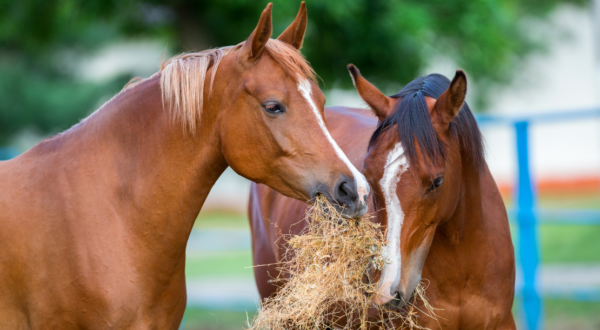
As the seasons change, so does your horse’s forage. When pasture growth begins to slow down, many horse owners start increasing hay to help maintain a consistent source of fiber. While this may seem like a simple switch, a horse’s… Continue Reading →

As temperatures cool and summer winds down, fall is a good time to take a closer look at your horse’s vaccination schedule. Whether your horse is heading into the winter show circuit, traveling to new facilities, or simply settling into… Continue Reading →

Your horse’s digestive system plays a major role in overall health, comfort, and performance. From daily feeding and forage intake to travel, competition, stress, and changes in routine, there are plenty of factors that can affect the equine gut. That’s… Continue Reading →
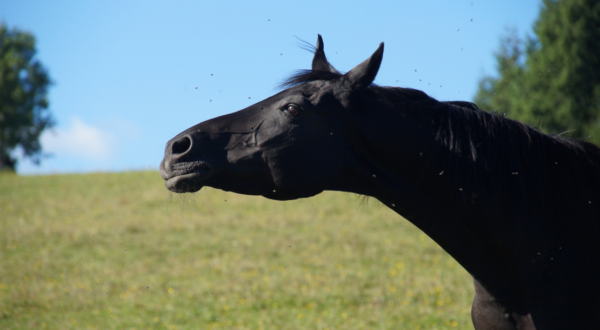
If you’ve ever noticed clusters of tiny yellow or cream-colored specks stuck to your horse’s hair, you may have wondered what they are. Those stubborn little spots are likely bot fly eggs, and while they may be unsightly, they’re also… Continue Reading →

Training a horse isn’t just about how hard they can work. It’s also about how they respond, recover, and adapt over time. Changes in heart rate, activity, recovery, and other physiological metrics can provide valuable context when you’re evaluating conditioning… Continue Reading →
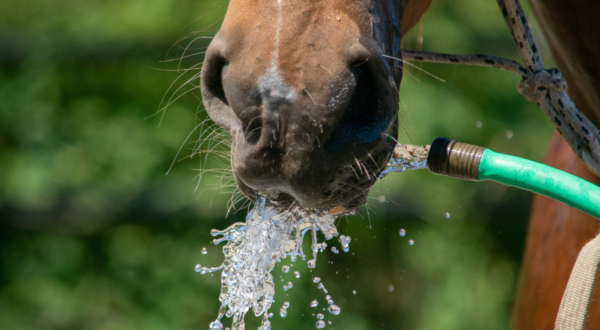
Water is the most important nutrient in your horse’s diet, yet it’s often the one that’s easiest to overlook. Most horses have constant access to fresh water, but that doesn’t always mean they’re drinking enough. Hot weather, exercise, hauling, competitions,… Continue Reading →

If your horse seems to lose weight, muscle, or overall bloom every summer, you’re not imagining it. While many owners expect horses to thrive on lush pasture and longer days, summer can actually be one of the most demanding times… Continue Reading →
© 2026 FarmVet — Powered by WordPress
Theme by Anders Noren — Up ↑