
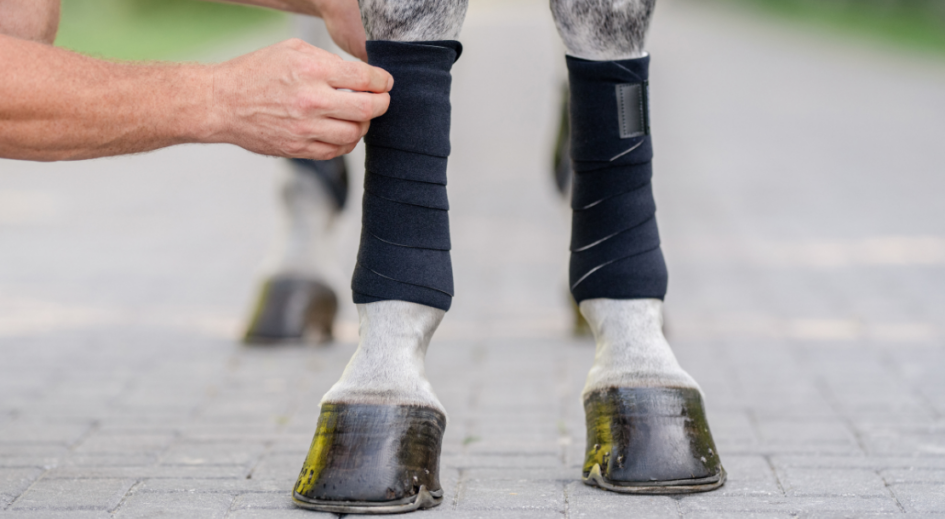
Leg wrapping is one of the most fundamental horsemanship skills a rider or barn manager can develop. Whether you are managing daily training, supporting post-work recovery, shipping to a competition, or assisting with rehabilitation, proper wrapping plays an important role in protecting your horse’s lower limbs.
When applied correctly, leg wraps can provide protection from interference injuries, encourage circulation, reduce stocking up, and support soft tissue structures. When applied incorrectly, however, wraps can create uneven pressure, restrict circulation, or even contribute to tendon damage. The difference lies in understanding when to wrap, which style to choose, and how to apply bandages with precision and consistency.
Below, we break down when leg wraps are appropriate, the types commonly used in each situation, and a step-by-step guide to applying them safely.
When Should You Use Leg Wraps?
Different situations call for different types of wraps. Choosing the right system ensures your horse receives the intended benefit without unnecessary risk.
During Exercise
Polo wraps and certain exercise bandages are commonly used during flatwork, lunging, and light schooling. While wraps do not “hold up” tendons or prevent injury outright, they can provide mild compression and protection against brushing or interference injuries.
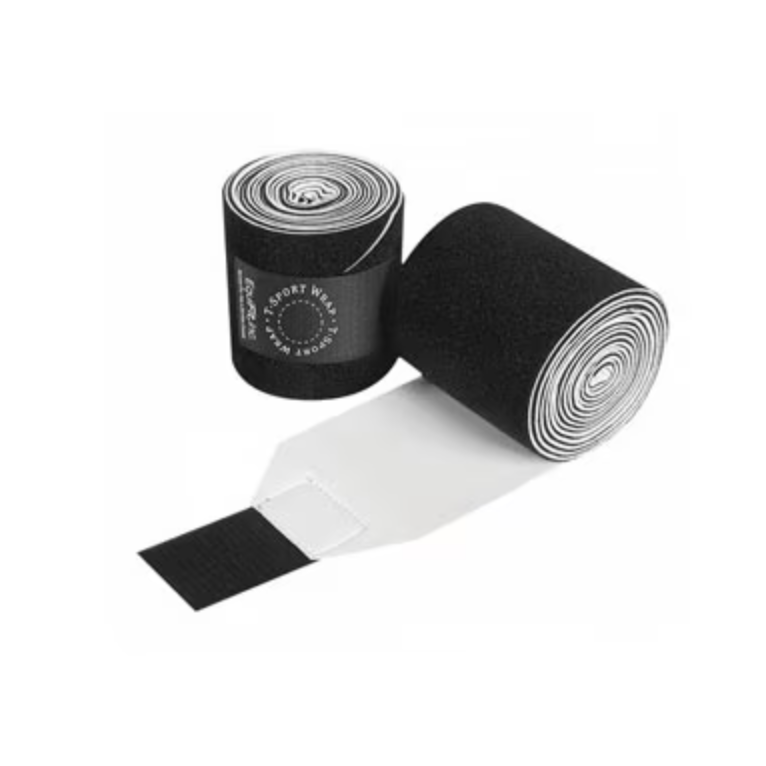
For horses that tend to strike one leg with another, properly applied polos can serve as a protective barrier. A high-quality wrap with consistent stretch is critical to achieving even tension. Options like EquiFit T-Sport Wraps are designed with breathable, compressive material that helps regulate temperature while maintaining durability and elasticity. This can be especially helpful during longer schooling sessions when heat buildup becomes a concern.
It is important to remember that polos are not a substitute for supportive boots in high-impact disciplines. Instead, they are best suited for controlled, flatwork environments where light protection is the goal.
Post-Exercise Recovery
After strenuous training sessions, long show days, or conditioning work, many horses benefit from standing wraps. These wraps help manage mild swelling, commonly referred to as “stocking up,” and encourage circulation while the horse is resting.
Standing wraps typically consist of two components:
- A quilted or no-bow wrap placed directly against the leg
- A stable bandage wrapped securely over the padding
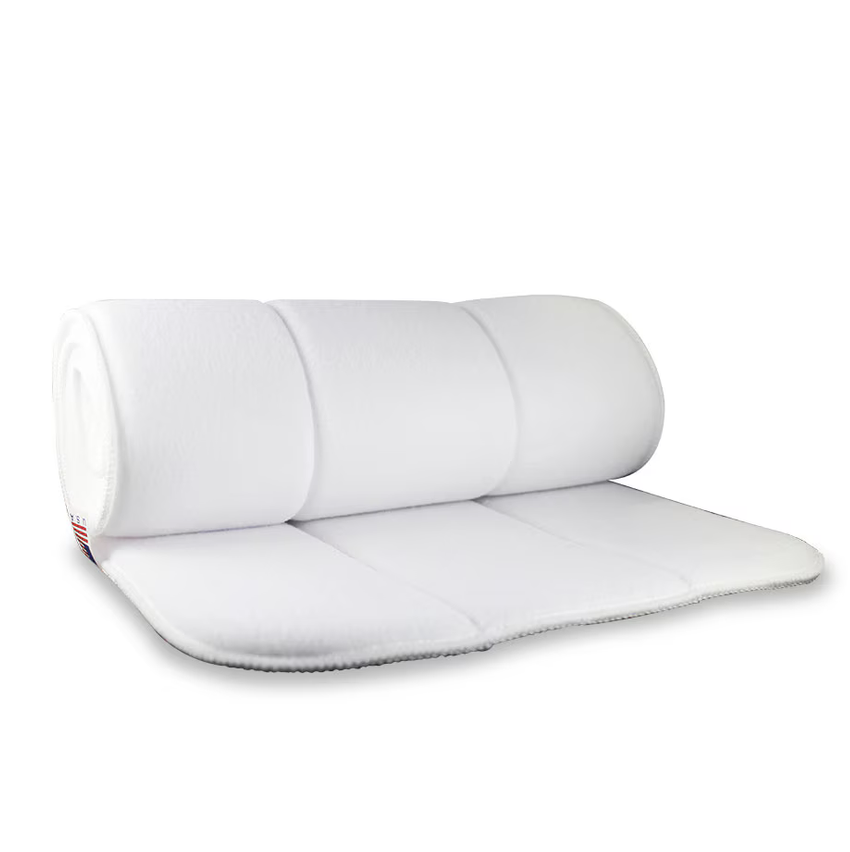
The quilted layer distributes pressure evenly along the cannon bone and soft tissue structures. Pairing a structured outer bandage, such as Vac’s Standing Bandages, with Jersey No Bows creates a reliable system that supports recovery while minimizing pressure points.
Standing wraps are commonly applied overnight or for several hours post-exercise. They should always be removed and rechecked daily to ensure proper fit and to monitor for heat or swelling.
Shipping and Travel
Shipping presents unique risks. Horses constantly shift their weight in transit, increasing the chance of hoof strikes, scrapes, or fatigue-related injuries. Shipping wraps and boots are designed to provide additional protection from trailer movement and contact injuries.
Traditional shipping wraps are longer and thicker than stable wraps. They typically extend from below the knee or hock down to the coronary band, offering full lower-leg coverage.
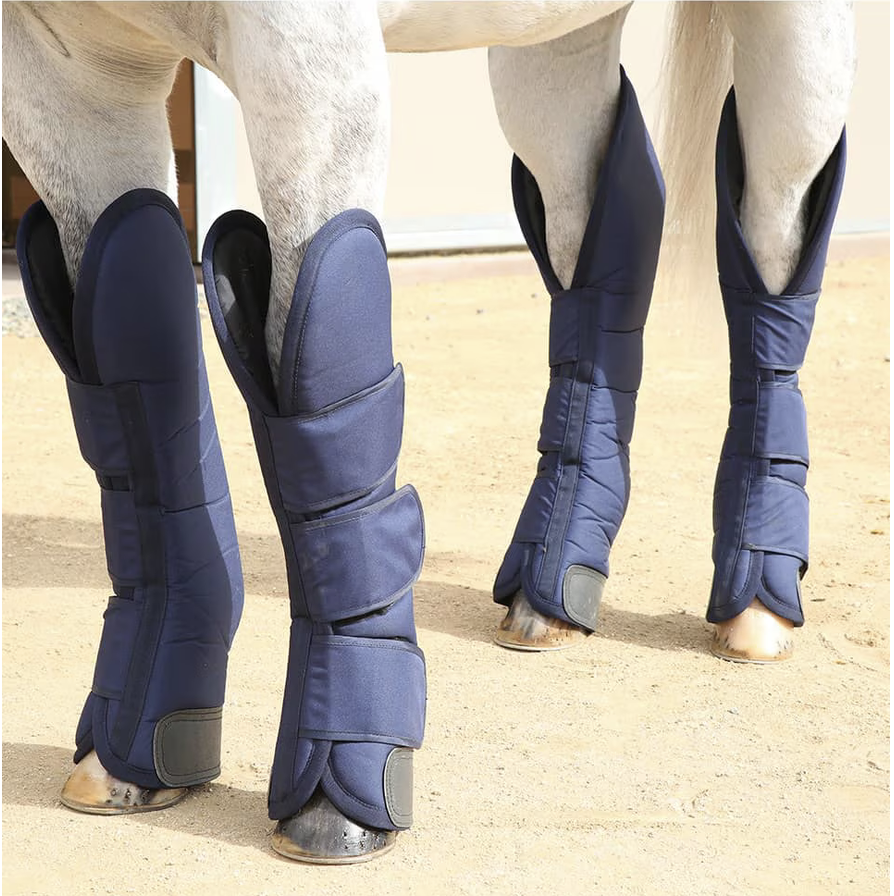
For riders who prefer convenience and consistency, shipping boots can be an excellent alternative. Professional’s Choice Shipping Boots feature built-in padding and secure closures, offering a reusable solution that eliminates the need for precise bandaging technique during travel.
Regardless of which system you choose, wraps or boots should be removed promptly once the horse is safely unloaded to prevent overheating or pressure issues.
Injury Prevention and Rehabilitation
Therapeutic wraps have become increasingly popular for both preventative care and rehabilitation support. While they are not a replacement for veterinary treatment, certain products are designed to encourage circulation, reduce inflammation, and support tissue recovery.
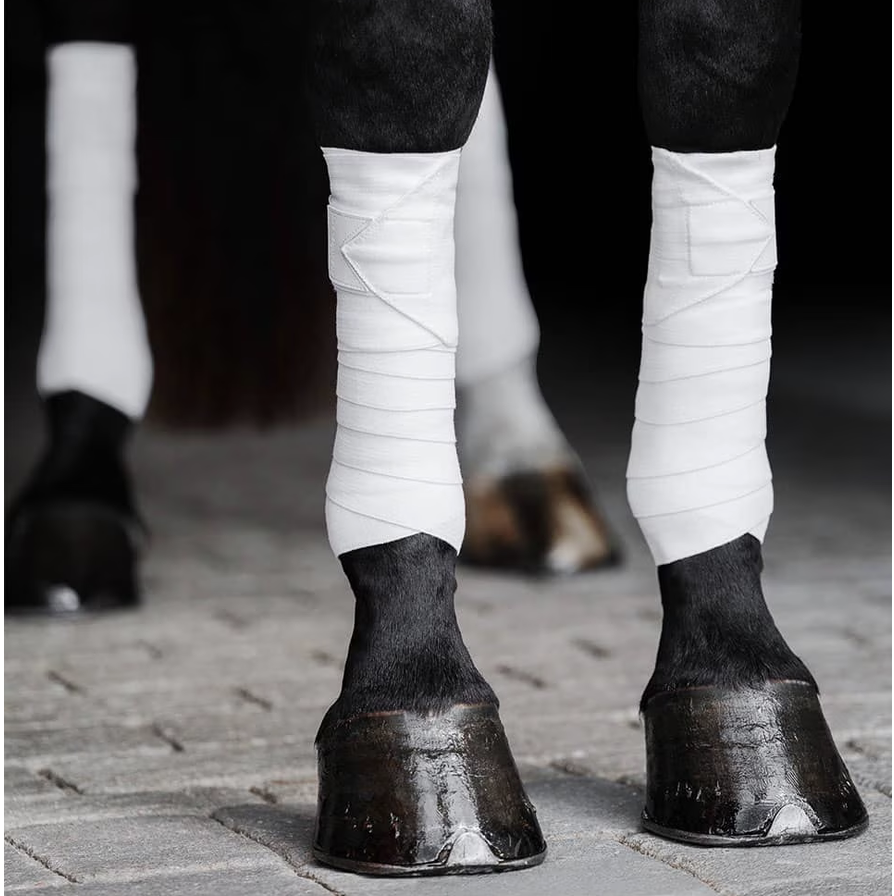
Incrediwear Equine Circulation Exercise Bandages are designed for use during work. When dampened, they create a cooling effect that helps manage heat buildup in tendons and ligaments without restricting movement. This makes them a valuable option for horses prone to inflammation during intense training periods. Continue reading to discover more options for therapy you can ride in for your horse.
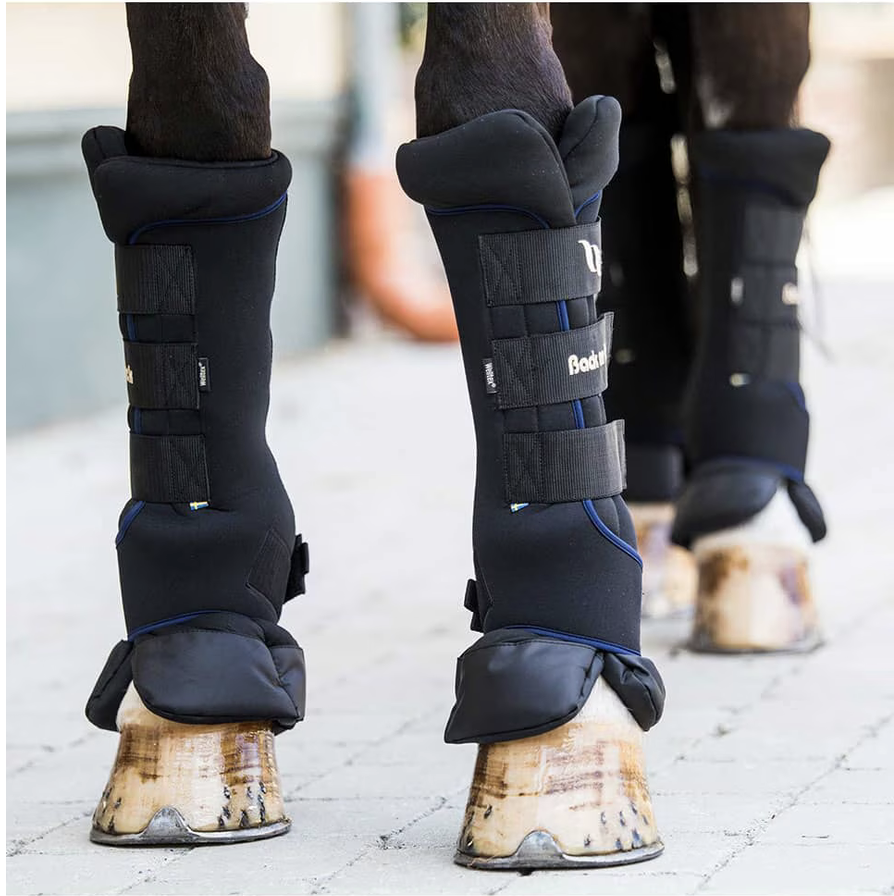
For recovery and stall use, Back on Track Royal Quick Wraps utilize ceramic-infused fabric that reflects body heat as infrared energy. This process may help stimulate circulation and ease stiffness or soreness. Many riders incorporate these wraps into their regular post-work routine or use them during layups to promote comfort and mobility.
As with any therapeutic product, consult your veterinarian for specific injury protocols and timelines.
Step-by-Step: How to Wrap a Horse’s Leg Safely
Even the highest-quality wrap can cause issues if applied improperly. Follow these steps to ensure safe and consistent application. If you are new to wrapping, ask a trainer, experienced barn manager, or veterinarian to evaluate your technique.
Step 1: Start with a Clean, Dry Leg
Always brush off dirt, bedding, and debris before wrapping. Wrapping over moisture or mud can trap bacteria against the skin and increase the risk of irritation or infection.
Take a moment to feel the leg carefully. Check for heat, swelling, cuts, or sensitivity. If you notice abnormalities, consult your veterinarian before proceeding.
Step 2: Apply Proper Padding (When Needed)
For standing or rehabilitation wraps, begin with a quilted or no-bow wrap. The padding should lie flat against the leg with no wrinkles or folds.
Ensure the wrap is centered on the cannon bone and extends evenly from just below the knee or hock to above the fetlock. Uneven padding can create pressure points once the outer bandage is applied.
Step 3: Begin at the Inside of the Cannon Bone
Start the wrap on the inside of the leg and move around the back toward the outside. Most handlers wrap left legs counterclockwise and right legs clockwise, following the natural anatomy of the tendons.
This direction supports the suspensory structures rather than pulling against them.
Step 4: Maintain Even Tension
Consistency is critical. Apply firm, steady pressure without pulling tightly. The wrap should feel secure but never constricting.
Overlap each layer by approximately 50 percent as you move down the leg. Smooth the material continuously to prevent bunching or gaps.
Uneven tension is one of the most common wrapping mistakes. Excess pressure in one area can restrict circulation or place strain on tendons.
Step 5: Secure the Closure Properly
Finish with the Velcro or fastening mechanism on the outside of the leg. The closure should lie flat and avoid direct pressure on a tendon.
After wrapping, run your hand along the leg to check for ridges or tight spots. Compare both legs to ensure evenness and symmetry.
How Long Should Wraps Stay On?
Duration depends on the purpose:
- Polo wraps: Remove immediately after exercise.
- Standing wraps: Often applied overnight and removed in the morning.
- Shipping boots or wraps: Remove as soon as the horse is unloaded and settled.
Never leave wraps on for extended periods without checking for slippage, heat, or swelling. Daily inspection is essential for horses on stall rest or long-term wrapping programs.
Common Mistakes to Avoid
Even experienced handlers can make wrapping errors. Watch for these common issues:
- Wrapping too tightly at the top and too loosely at the bottom
- Creating uneven pressure from inconsistent overlap
- Allowing wrinkles in padding
- Leaving waps on too long without monitoring
- Wrapping over dirty or damp legs
Attention to detail prevents complications.
A Practical Skill That Protects Performance
Leg wrapping is both a practical skill and an important component of responsible horse care. When done correctly, it supports performance, aids recovery, and reduces risk during travel and rehabilitation. Like many aspects of horsemanship, wrapping improves with repetition. Take your time, prioritize even tension, and use quality materials designed for your intended purpose.
With the right technique and reliable products, leg wrapping becomes a valuable tool in your horse management routine. Visit FarmVet to stock up on all your essentials for leg care and more.
New to the world of all things horse care? Check out these must-have items for beginner equestrians.