
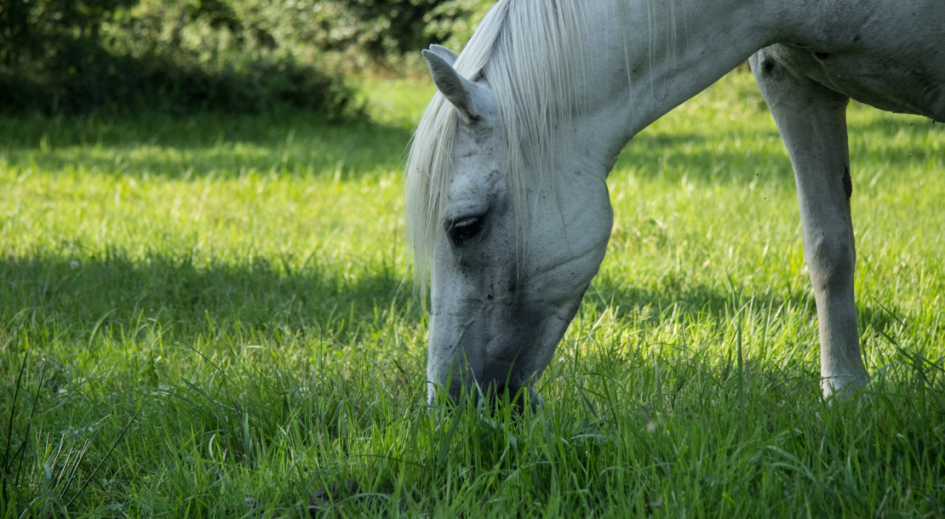
As winter fades and pastures start to green up, it’s easy to feel excited about turning horses out on fresh spring grass again. But for owners of metabolic horses, this seasonal transition requires a little extra caution. That lush, fast-growing grass may look like a welcome change, but it can pose real risks for horses prone to metabolic issues like insulin resistance or laminitis.
Understanding how spring grass affects your horse (and how to manage it) can make all the difference in keeping them healthy, comfortable, and performing their best.
Why is Spring Grass Risky for Horses?
Spring grass is very different from the forage your horse has been eating all winter. As temperatures warm and sunlight increases, grass begins to grow more rapidly, producing high levels of non-structural carbohydrates (NSCs), including sugars and fructans.
For horses with metabolic concerns, these elevated sugar levels can trigger spikes in insulin. Either suddenly or over time, this can increase the risk of laminitis, a painful and potentially career-ending condition.
Horses most at risk include:
- Easy keepers
- Horses with insulin resistance or equine metabolic syndrome (EMS)
- Horses with a history of laminitis
- Certain breeds, including ponies, Morgans, and some stock-type horses
Timing Matters More Than You Think
Many owners assume early morning turnout is safest. But in the spring, that’s not always the case. Sugar levels in grass can fluctuate throughout the day based on sunlight and temperature.
A few general guidelines:
- Cool, sunny days can lead to higher sugar accumulation
- Frosty mornings can trap sugars in the grass, making them more concentrated
- Late night to early morning (before sunrise) is typically lower in sugars, but not always reliable in spring conditions
Because of these variables, relying solely on turnout timing isn’t enough for metabolic horses. Learn more about night grazing and when it might be the right solution for your horse.
Smart Grazing Management Strategies
Instead of eliminating turnout entirely, the goal is to control intake and reduce sugar exposure while still allowing your horse to enjoy the freedoms of turnout time.
1. Use a Grazing Muzzle
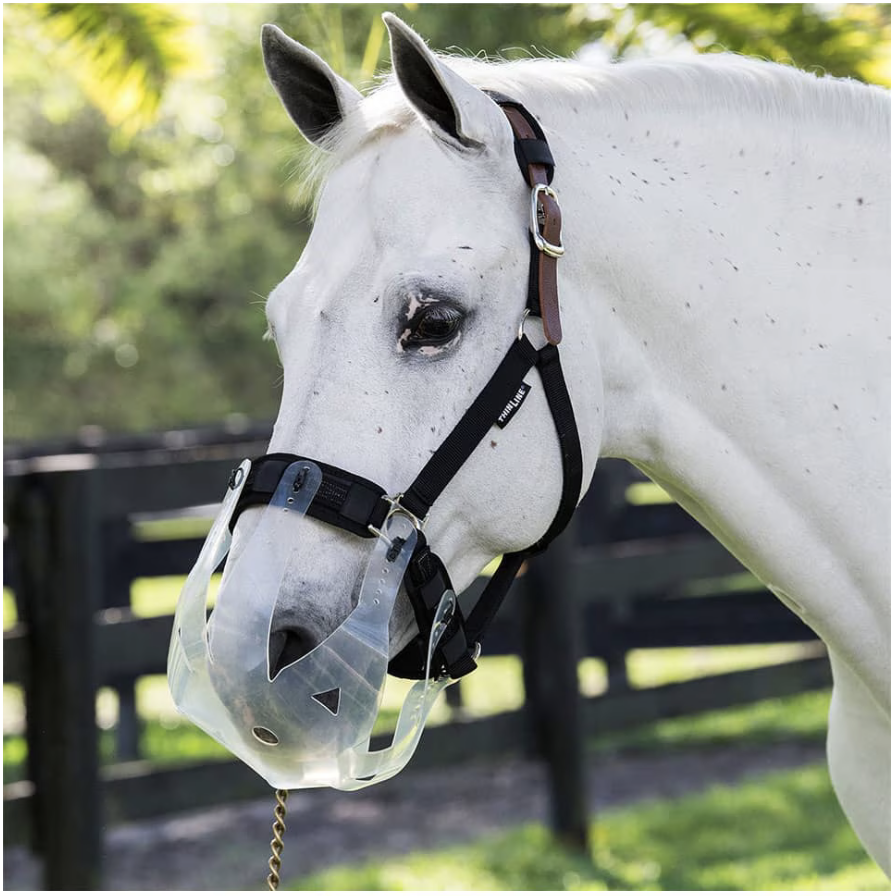
A grazing muzzle is one of the most effective tools for managing pasture intake. It allows your horse to enjoy turnout while significantly limiting how much grass they can consume.
When properly fitted, grazing muzzles can:
- Reduce grass intake by up to 80%
- Help prevent rapid weight gain
- Lower the risk of insulin spikes
They’re especially useful during peak grass growth in the spring and early summer. In our blog, Does My Horse Need a Grazing Muzzle, we dive into more details about grazing muzzles and how to choose the right one for your horse.
2. Limit Turnout Time
If your horse is particularly sensitive, consider shorter turnout periods or using a dry lot during high-risk times. Even a few hours of unrestricted grazing on spring pasture can be enough to cause issues.
3. Monitor Body Condition Closely
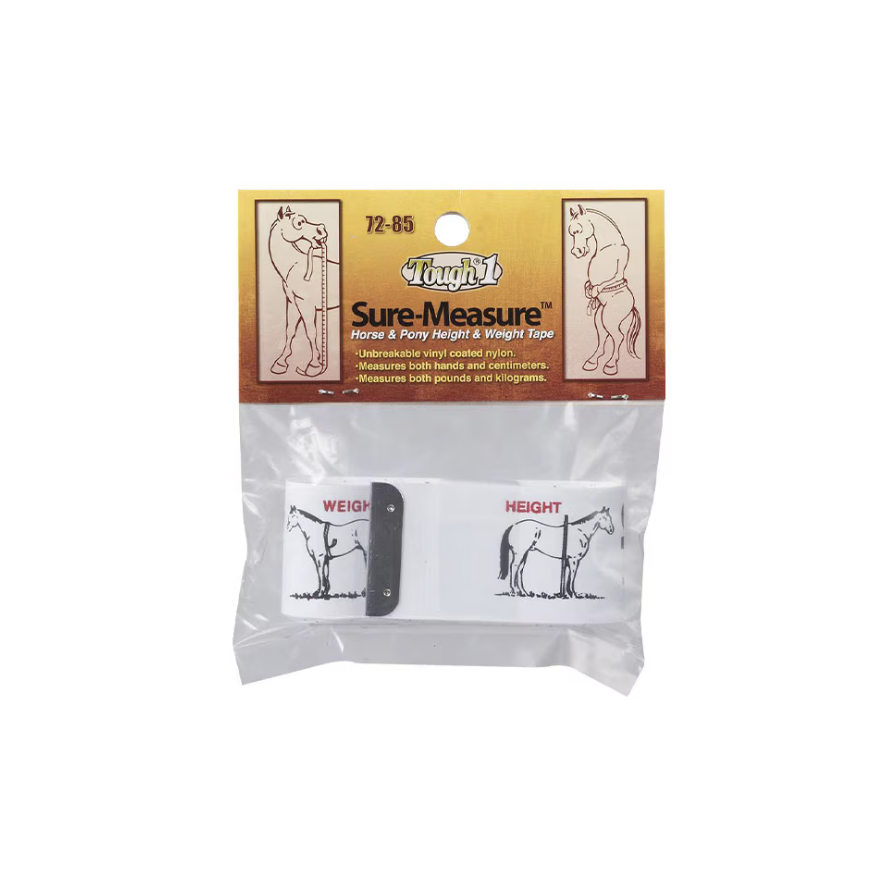
Spring weight gain can happen quickly. Regularly assess your horse’s body condition score and adjust feeding or turnout as needed. Subtle changes can escalate fast if not caught early. A horse weight tape can help keep a close eye on weight fluctuations, especially for those easy keepers.
How to Support Metabolic Health Through Nutrition
Beyond pasture management, targeted nutritional support plays a key role in helping metabolic horses handle seasonal changes.
Amino Acids & Mineral Balance
Providing a well-balanced vitamin and mineral supplement is essential, especially if you’re limiting pasture access or feeding a hay-based diet.
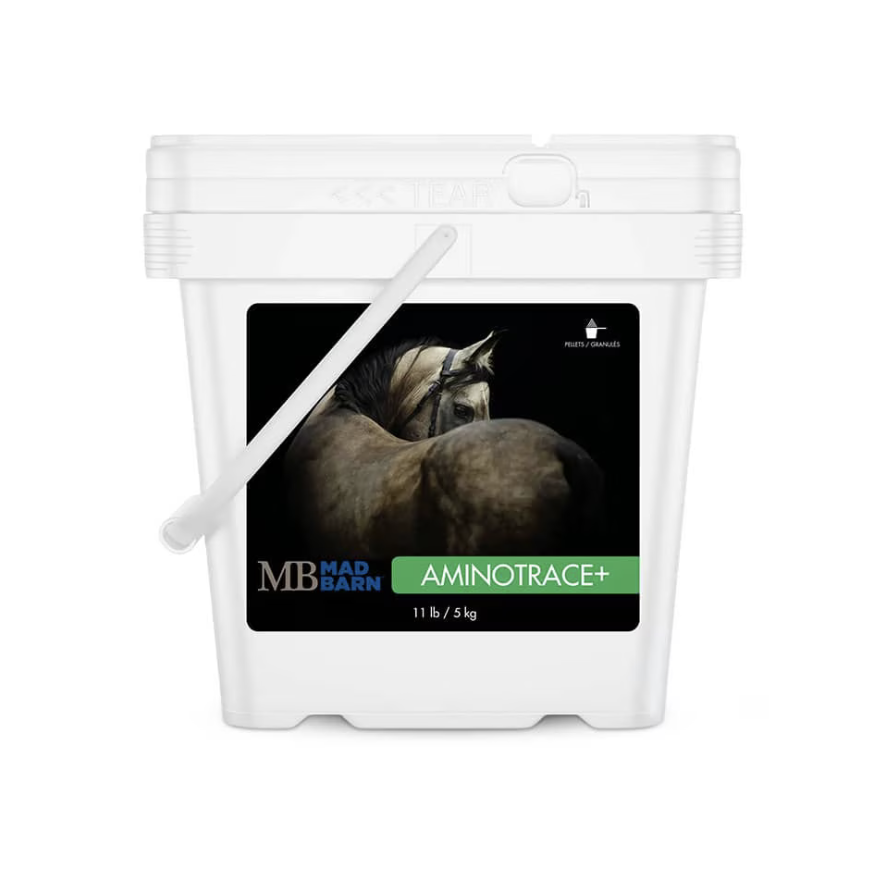
Mad Barn AminoTrace+ is designed to support:
- Hoof health
- Muscle maintenance
- Overall metabolic function
It delivers key amino acids, trace minerals, and vitamins that may be lacking in forage, helping maintain balance even when grazing is restricted.
Continue reading to learn more about Mad Barn’s research-driven supplements for horses.
Blood Sugar Support
For horses prone to insulin dysregulation, additional nutritional support can help maintain more stable glucose and insulin levels.
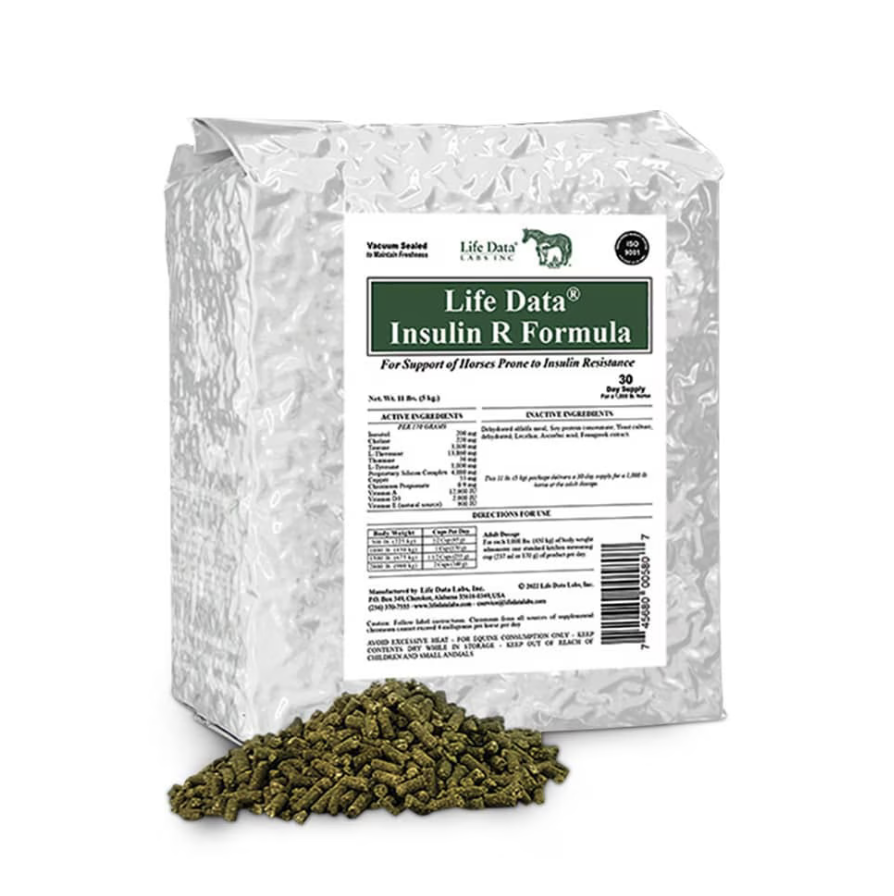
Life Data Insulin R Formula is formulated to:
- Support normal insulin function
- Promote metabolic stability
- Help reduce the risk of laminitis triggers
Incorporating a supplement like this during the spring transition can provide an extra layer of protection for at-risk horses.
Healthy Fat & Fiber Sources
When reducing pasture intake, it’s important to replace calories thoughtfully while avoiding adding excess sugar or starch.
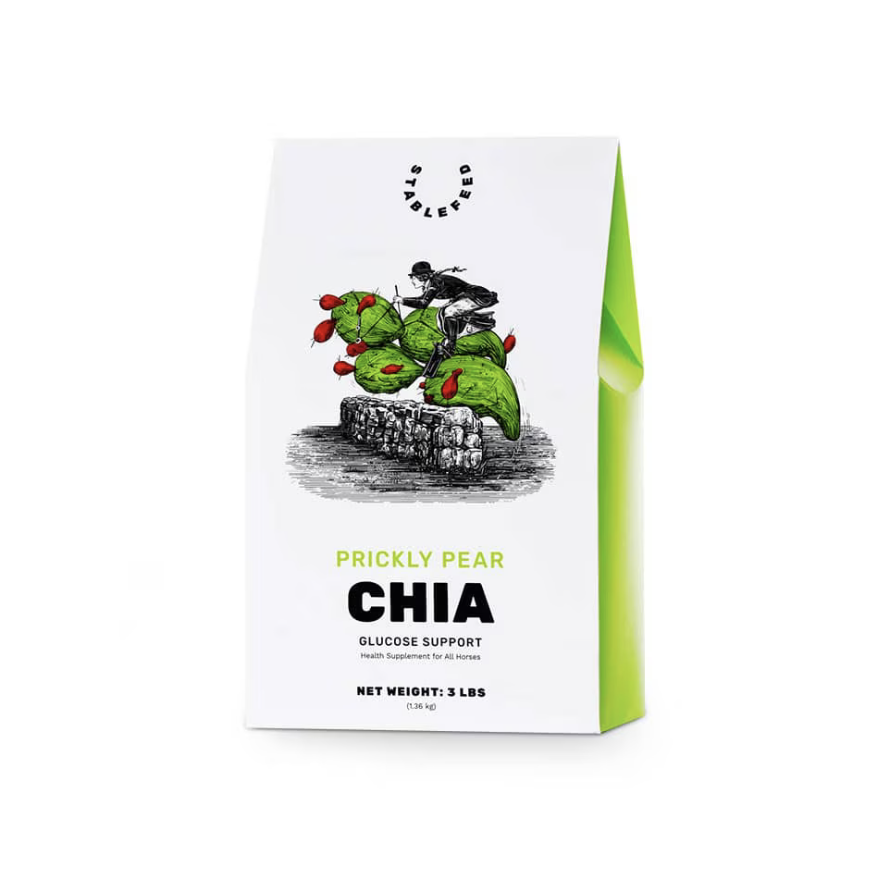
Stable Feed Prickly Pear Chia offers:
- Omega-3 fatty acids for anti-inflammatory support
- Fiber for digestive health
- Low sugar content suitable for metabolic horses
It’s a smart addition to help maintain condition while keeping diets balanced and appropriate.
Don’t Forget About Movement
Exercise is one of the most powerful tools for managing metabolic health. Regular movement helps improve insulin sensitivity and supports overall wellness.
Even light work such as hand-walking, lunging, or low-intensity riding can make a meaningful difference, especially during times when pasture sugars are high.
Warning Signs of Insulin Resistance
Spring is a time to stay especially vigilant. Keep an eye out for early signs of metabolic trouble, including:
- Unexplained weight gain
- Cresty neck development
- Increased digital pulse in the hooves
- Sensitivity or reluctance to move
If you notice any of these signs, it’s important to act quickly and consult your veterinarian.
Setting Your Horse Up for a Safe Spring
Managing a metabolic horse during spring grass season doesn’t mean eliminating turnout or drastically changing your routine. But it does mean being proactive. With the right combination of controlled grazing, thoughtful nutrition, and consistent monitoring and exercise, you can help your horse safely enjoy the season without unnecessary risk.
Spring grass is part of what makes horse ownership so rewarding. But for metabolic horses, it’s also a time that requires careful management. A little planning now can prevent bigger problems later, keeping your horse healthy, comfortable, and ready for the months ahead.
Looking to stock up on spring essentials? Explore grazing tools and metabolic support supplements at FarmVet and get your horse set up for success this season.
Summer will be here before we know it! Check out these 10 new summer essentials for horse owners.