
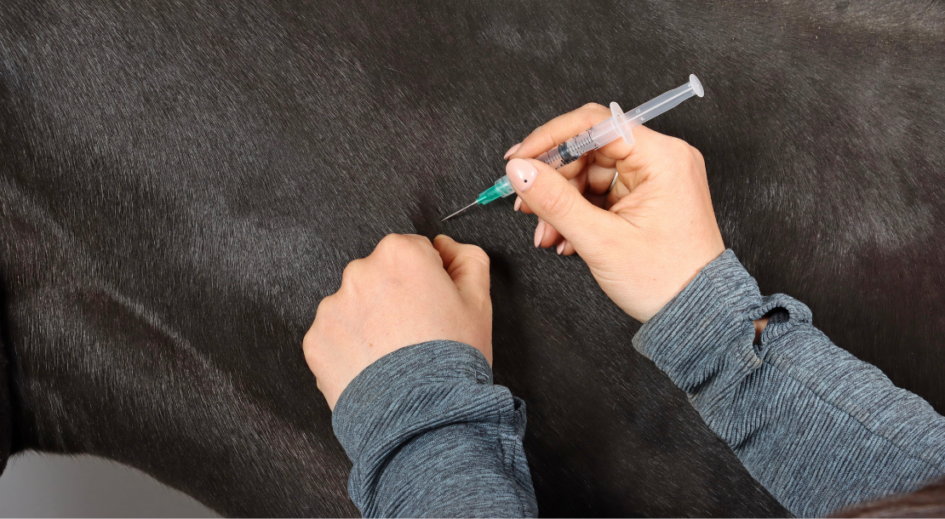
As temperatures cool and summer winds down, fall is a good time to take a closer look at your horse’s vaccination schedule. Whether your horse is heading into the winter show circuit, traveling to new facilities, or simply settling into a quieter season at home, staying current on vaccinations is an important part of a comprehensive horse health plan.
Is your horse traveling to shows or new facilities? Will they be exposed to more horses over the coming months? Are any vaccines due based on your veterinarian’s recommendations? Taking a closer look now can help you head into the next season with a plan.
1. Start With Your Horse’s Vaccination Records
The first step is simple: take a look at what your horse has already received.
Tetanus, Eastern and Western equine encephalomyelitis (EEE/WEE), West Nile virus (WNV), and rabies are the core vaccines recommended for the majority of horses. Other vaccines are considered risk-based and may be recommended depending on your horse’s age, location, lifestyle, travel, and exposure to other horses.
Rather than automatically repeating every vaccine in the fall, review your horse’s records with your veterinarian to determine:
- Which vaccines your horse received earlier in the year
- When boosters are due
- Whether your horse has completed any necessary primary series
- Whether your horse’s risk factors have changed
- Whether upcoming travel or competition could affect your vaccination needs
Keeping accurate vaccination records can also make it easier to meet health requirements when traveling or entering competitions.
2. Know Which Vaccines Are Seasonal
Not every vaccine follows the same schedule, and that’s an important distinction when comparing spring and fall vaccination planning. Core vaccines remain an important part of your horse’s overall health program, but some vaccines are timed around periods of greatest disease risk.
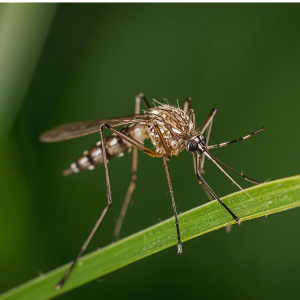
For example, EEE/WEE and WNV are primarily associated with mosquito activity. Therefore, these vaccines are generally timed ahead of vector season. Veterinarians may recommend more frequent or specifically timed vaccination for horses at particularly high risk or in areas with extended vector seasons.
That means fall isn’t always the time to automatically repeat these vaccines. Instead, it is a good time to review and discuss whether their current protection and future schedule are appropriate for your area and lifestyle.Then, a booster may be administered as necessary.
In other words, while spring is often about preparing for increased mosquito and vector exposure, fall is an opportunity to review that protection, plan ahead for the months to come, and administer boosters as appropriate.
3. Check Your Risk-Based Vaccines Before Travel or Shows
For horses that travel, compete, or spend time around unfamiliar horses, fall can bring a different set of vaccination considerations. Increased movement and commingling can increase exposure to contagious respiratory diseases, making vaccines such as equine influenza and equine herpesvirus (EHV) important topics to discuss with your veterinarian.
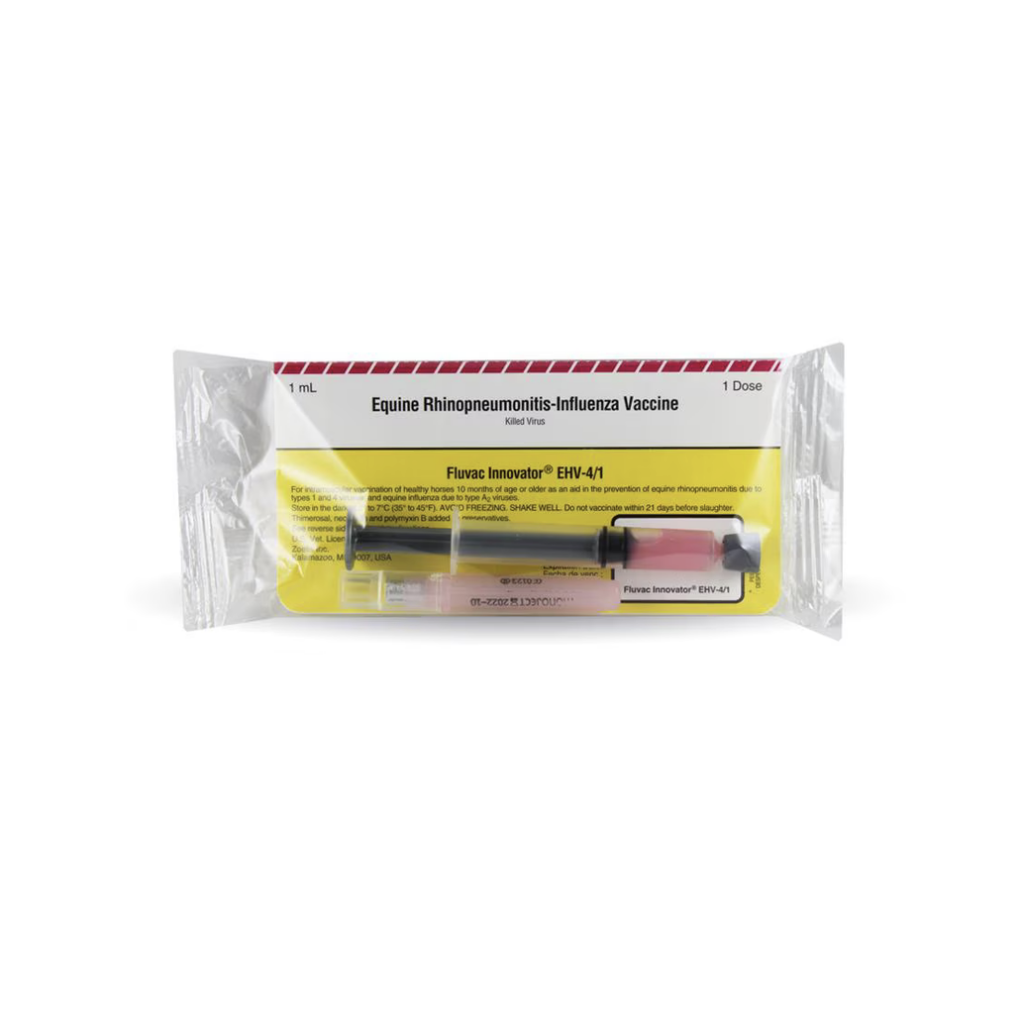
Annual influenza vaccination is recommended for all adult horses, and boosters every six months should be considered for horses at increased risk of exposure. Some facilities and competitions may also require influenza vaccination within a specific timeframe before entry. EHV vaccination recommendations can also vary based on factors such as age, use, housing, and exposure risk.
If your horse is heading to a show, clinic, sale, new boarding facility, or winter circuit this fall, check the vaccination requirements before you travel. Requirements can vary between facilities and competitions, and being “up to date” does not necessarily mean your horse meets a specific entry requirement, especially when it comes to risk-based vaccines.
Read on to learn tips on preventing spread EHV and early detection of the virus.
4. Don’t Overlook Potomac Horse Fever
Depending on where you live and where your horse travels, Potomac Horse Fever (PHF) may also be part of the vaccination conversation.
PHF is a seasonal disease, and vaccination schedules should take local disease risk and anticipated exposure into account. Because PHF risk can vary by geographic location, your veterinarian can help determine whether vaccination is appropriate for your horse and when it should be administered.
If your horse travels between regions, be sure to mention those destinations during your veterinary visit. Your horse’s risk may change when you change locations.
5. Give Vaccines Time to Work Before Travel
If you have upcoming travel or competition plans with your horse, don’t wait until the week before departure to think about vaccinations. Some horses may need a booster, while others may need to begin or complete a primary vaccination series. These schedules can require multiple doses and time between doses.
Typically, vaccines should be administered at least 14 days before anticipated exposure, but can vary depending on the vaccine, your horse’s vaccination history, and your veterinarian’s recommendations.
Planning ahead also gives you and your veterinarian time to address any questions or concerns before your horse leaves home.
6. Vaccination Is Only One Part of Disease Prevention
Vaccination is an important part of protecting your horse, but it isn’t the only one.
This is especially important for horses that travel during the fall and winter months. Good biosecurity practices can help reduce the opportunity for infectious diseases to spread between horses.
When traveling or attending events, consider:
- Limiting direct contact with unfamiliar horses
- Avoiding shared water buckets and equipment when possible
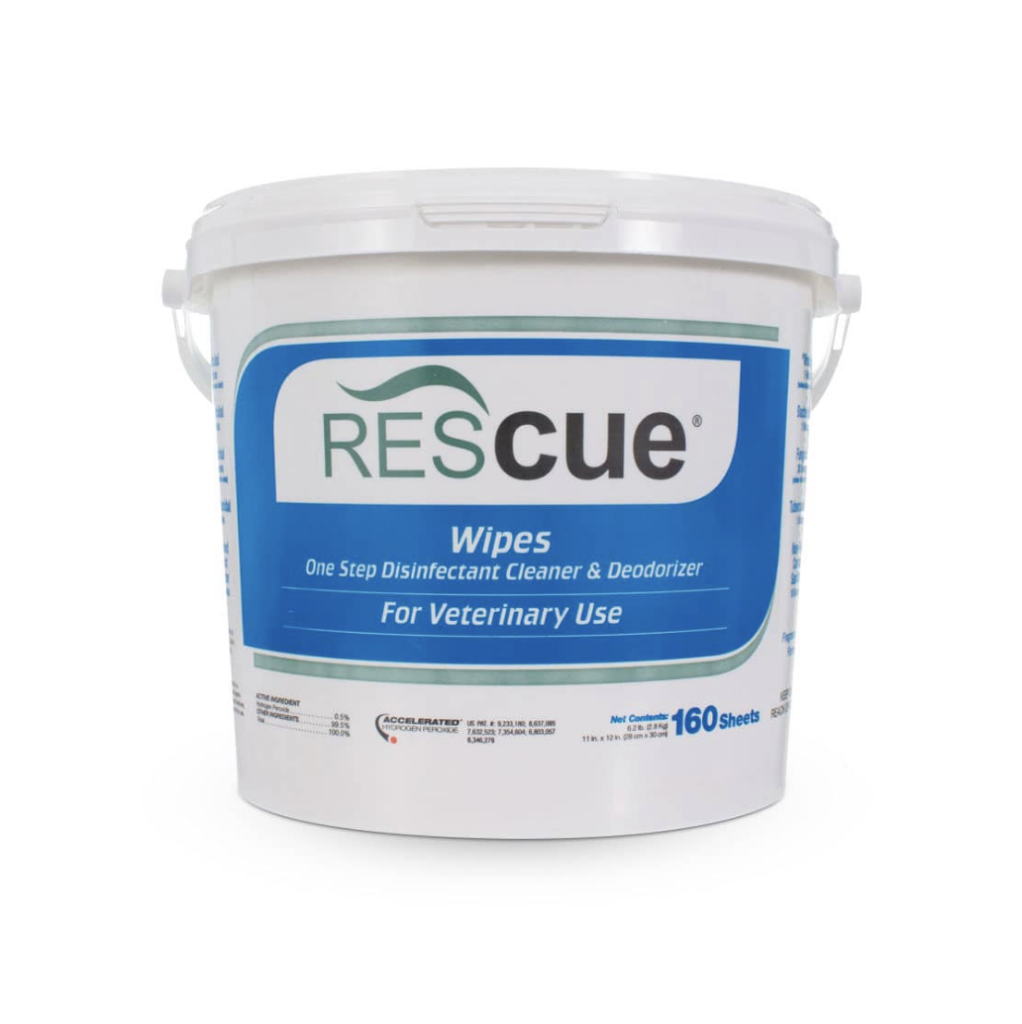
- Cleaning and disinfecting trailers, stalls, and commonly used equipment
- Monitoring your horse for fever, cough, nasal discharge, or other signs of illness
- Taking your horse’s temperature regularly while traveling or after returning home
- Following appropriate isolation procedures for new or potentially exposed horses
Vaccination and biosecurity work together. A well-planned vaccination program can help reduce disease risk, while good management practices can help limit exposure and transmission.
7. Talk to Your Veterinarian About Your Horse’s Fall Plan
There isn’t one vaccination schedule that is right for every horse.
A vaccination program should be based on an individual horse’s risk factors and in consultation with your veterinarian. Factors such as age, geographic location, travel, competition, housing, health status, and exposure to other horses can all influence which vaccines are appropriate.
When discussing your horse’s fall vaccination plan, consider:
- What has my horse already received?
- Where is my horse going?
- What will my horse’s winter look like?
- Are there local or regional disease risks to consider?
- Does my horse have a history of vaccine reactions?
Mild soreness, swelling, fever, or lethargy can occur after vaccination, while more serious reactions are possible but uncommon.
Prepare for the Season Ahead
Fall vaccination planning isn’t simply about repeating everything your horse received in the spring. Instead, along with boosters, it’s an opportunity to review, reassess, and plan ahead. Fall focus shifts toward evaluating current protection, addressing risk-based vaccines, and preparing horses for travel, competition, and increased exposure during the cooler months.
Looking for vaccines and other horse health essentials for fall? FarmVet offers a broad selection of equine wellness products to help you keep your horse prepared for every season.