
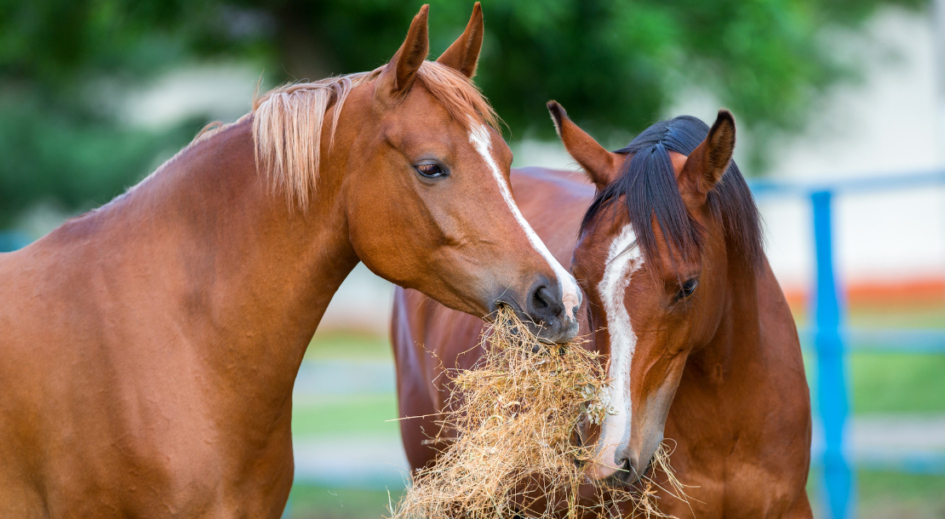
As the seasons change, so does your horse’s forage. When pasture growth begins to slow down, many horse owners start increasing hay to help maintain a consistent source of fiber. While this may seem like a simple switch, a horse’s digestive system benefits from a gradual transition between forage sources.
Moving too quickly from fresh pasture to a predominantly hay-based diet can change the amount, type, and moisture content of forage your horse consumes. Taking time to make the transition gradually can help support normal digestion and make the change easier on your horse.
Why Does the Transition From Pasture to Hay Matter?
Horses are designed to spend much of their day consuming forage. Their digestive systems are adapted to a steady intake of fibrous feeds, so sudden changes in the type or amount of forage can disrupt the balance of the digestive tract.
Pasture and hay can differ in several ways, including:
- Moisture content
- Fiber content and digestibility
- Sugar and calorie content
- Type and maturity of the plants
- How much forage a horse consumes throughout the day
Even when the hay is made from the same type of forage growing in a pasture, it is still a different feed source. A gradual transition gives your horse’s digestive system time to adjust.
When Should You Start Adding Hay?
There is no single date when every horse should transition from pasture to hay. Instead, pay attention to the condition of the pasture and your horse’s individual needs.
Start offering hay before pasture becomes completely unavailable. This allows your horse to gradually increase hay consumption while still having access to pasture.
Horses that are easy keepers, overweight, or prone to metabolic concerns may also need a carefully managed forage plan that considers both the amount and nutritional content of available pasture and hay.
How Do You Transition a Horse From Pasture to Hay?
A gradual transition is generally the best approach. Rather than removing pasture and replacing it with hay all at once, slowly increase hay while pasture access decreases.
1. Introduce the Hay Before You Need It
Begin offering small amounts of hay while your horse is still grazing. This gives your horse an opportunity to become accustomed to the new forage before hay becomes the primary source.
2. Increase Hay Gradually
Over the course of a week or two, gradually increase the amount of hay while decreasing pasture access. The rate of transition can depend on the individual horse, the difference between the pasture and hay, and how well the horse is adjusting.
If you notice changes in manure consistency, appetite, or overall comfort, slow the transition and consult your veterinarian if concerns persist.
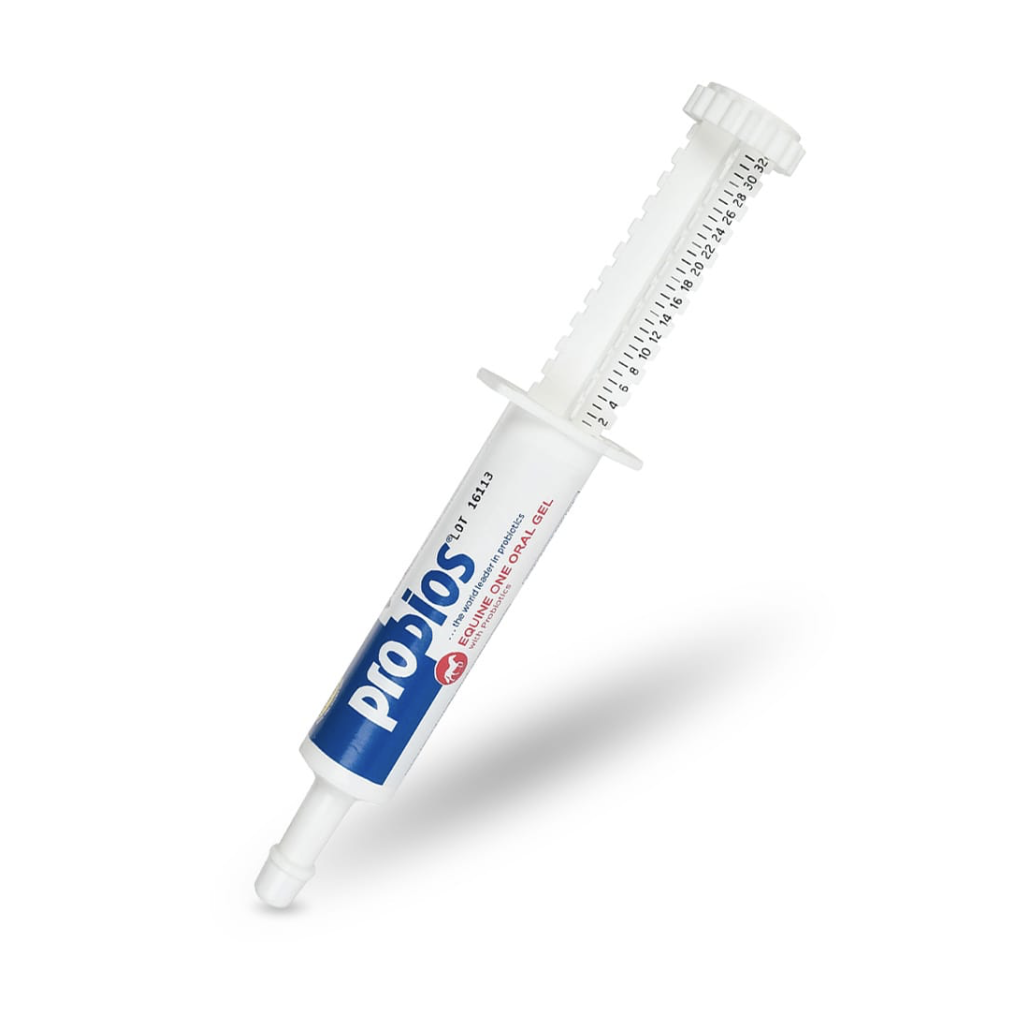
If needed, gut health support such as Probios Equine Paste can aid in digestion and appetite during times of diet change.
For more gut support options, read our Guide to Cavalor’s Gut Health Products.
3. Keep Forage Available Throughout the Day
Whenever possible, avoid long periods without access to forage. Horses naturally graze and browse throughout much of the day, and consistent forage intake supports normal digestive function.
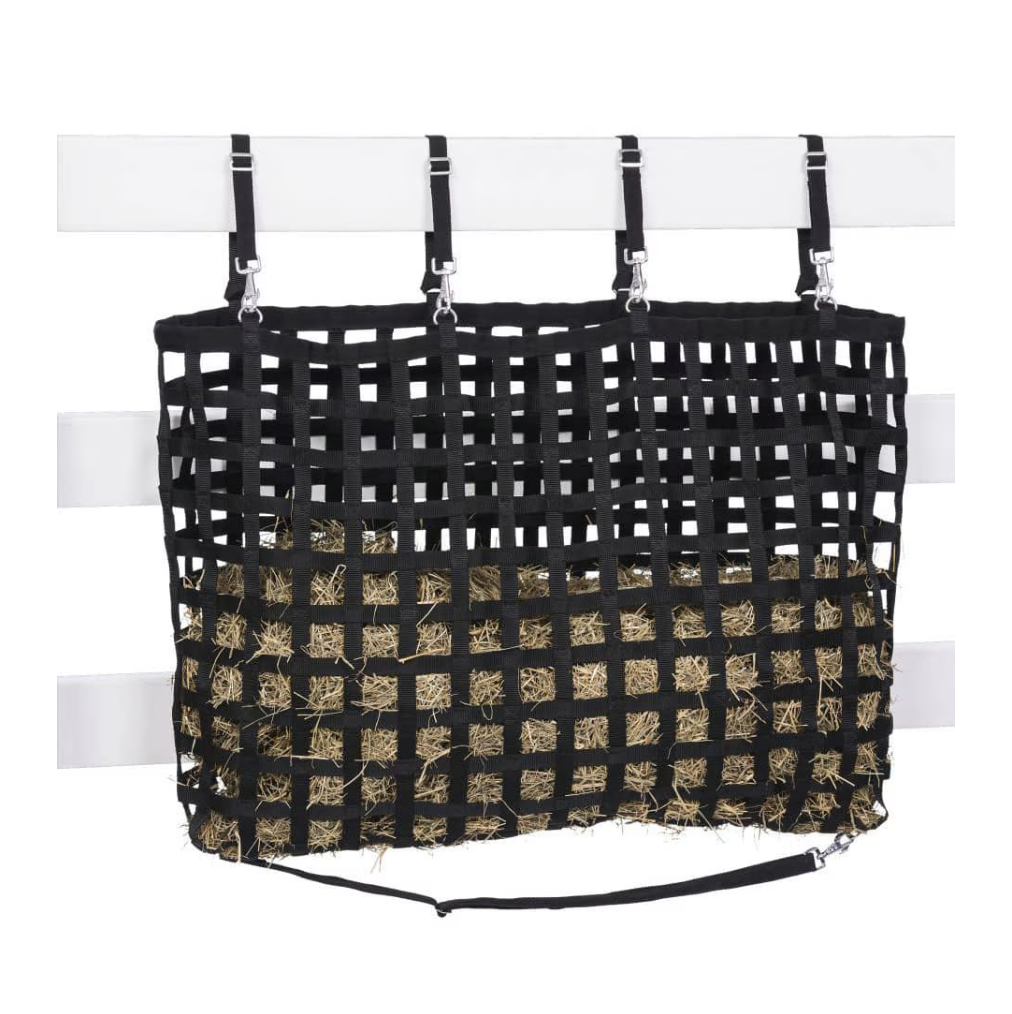
Slow-feed hay nets or feeders can help extend eating time and reduce rapid consumption or waste.
4. Make Sure Your Horse Is Drinking
Hay generally contains less moisture than fresh pasture, so your horse may get less water directly from forage once hay becomes a larger part of the diet.
Provide clean, fresh water at all times and monitor your horse’s water consumption during the transition. This is particularly important when temperatures, exercise levels, or management routines are also changing.
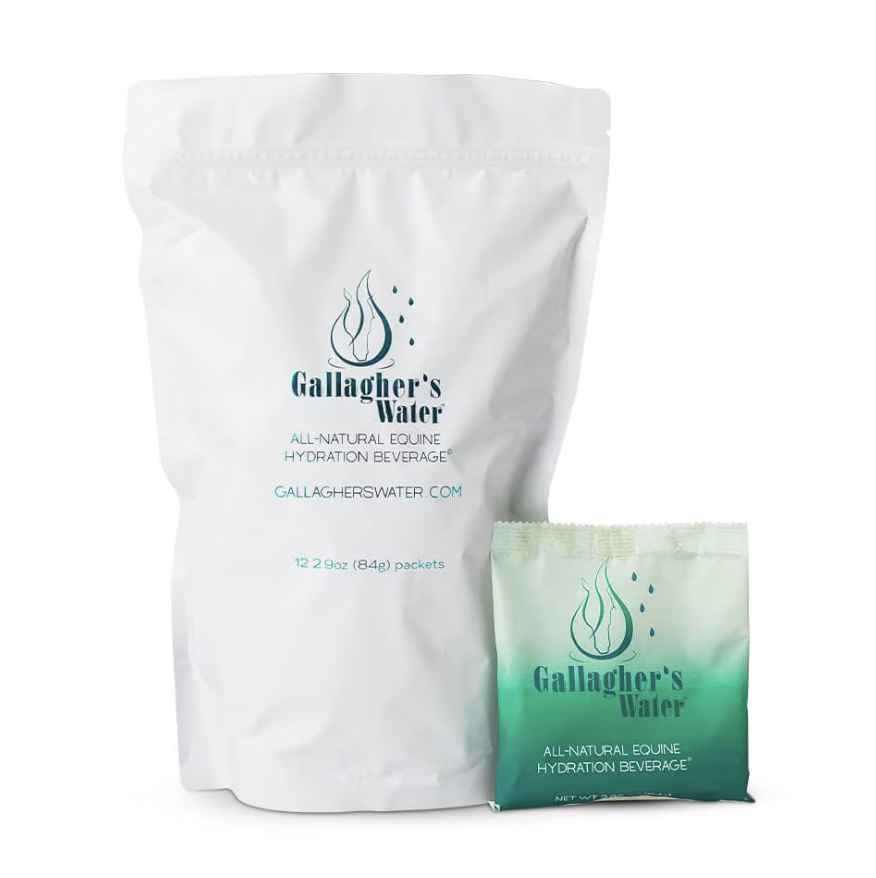
Electrolytes or water enhancers such as Gallagher’s Water can also be helpful to encourage drinking.
Watch Your Horse During the Transition
Your horse’s manure, appetite, body condition, and overall behavior can provide useful clues about how they are handling the change.
Keep an eye out for:
- Changes in manure consistency or frequency
- Decreased appetite
- Changes in body weight or condition
- Changes in water consumption
- Signs of digestive discomfort
When transitioned gradually, many of these side effects are avoided, but should still be on your radar to help guide your decision making around your horse’s diet.
Make the Seasonal Change Gradually
Transitioning from pasture to hay is a normal part of seasonal horse management, but it is worth giving the process some thought. Introducing hay before pasture runs out, increasing it gradually, maintaining consistent forage access, and monitoring your horse can help make the change more manageable.
Looking for forage and feeding supplies for your horse? Shop hay feeders, slow-feed solutions, supplements, and other everyday horse care essentials at FarmVet.
For more tips on preparing your horse for fall, read our blog on Fall Vaccination Tips for Horse Owners for a closer look at seasonal vaccination planning.
Leave a Reply