
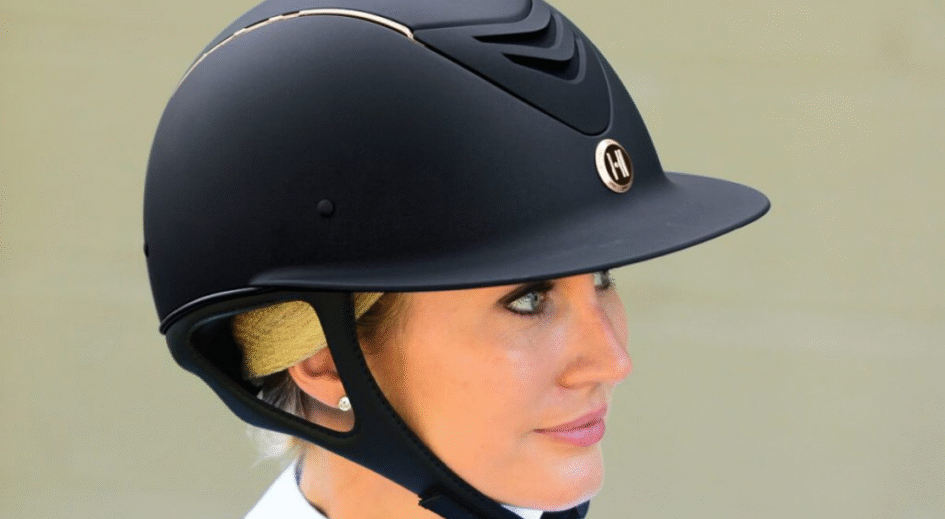
As riders, we all want gear that’s stylish, comfortable, and above all, safe. When it comes to choosing your helmet, picking the right model, ensuring a good fit, and replacing it when needed are all things that will impact the safety of your One K Helmet. Let’s dive into what makes them safe, what MIPS technology adds, and what riders should watch out for to get the most protection.
What Safety Certs Do One K Helmets Have?
Certifications ensure safety standards, and in that sense, One K is doing the proper work. One K helmets meet ASTM (American Society for Testing and Materials) standards, certified by SEI (Safety Equipment Institute).
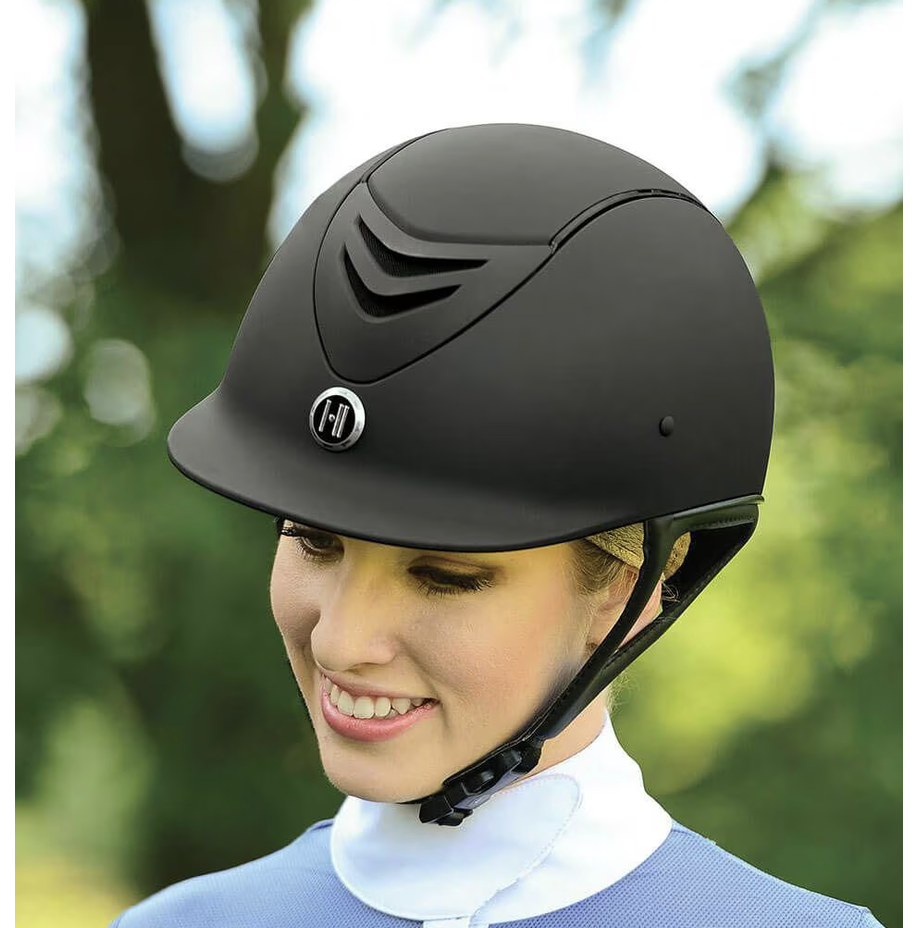
Certification means the helmet has passed lab tests that check impact protection, straps and buckle retention, and shell integrity. While no manufacturer can guarantee complete safety in all circumstances, these safety checks mean the helmet is built to meet a minimum performance standard.
What is MIPS & How Does It Matter?
MIPS stands for Multi-Directional Impact Protection System, and it’s a technology aimed at further reducing head injuries, specifically those involving rotational forces. MIPS is in addition to ASTM/SEI certification (not in place of). While traditional helmet designs are aimed at protecting direct impacts, most falls result in angled impacts to the head, which result in rotational forces. This type of impact is a major contributor to concussions and more serious brain injuries.
MIPS adds a thin, low‐friction layer inside the helmet (between the padding and foam liner). In an angled impact, that layer lets the helmet shell move ever so slightly relative to the head, thereby redirecting rotational forces away from the head.
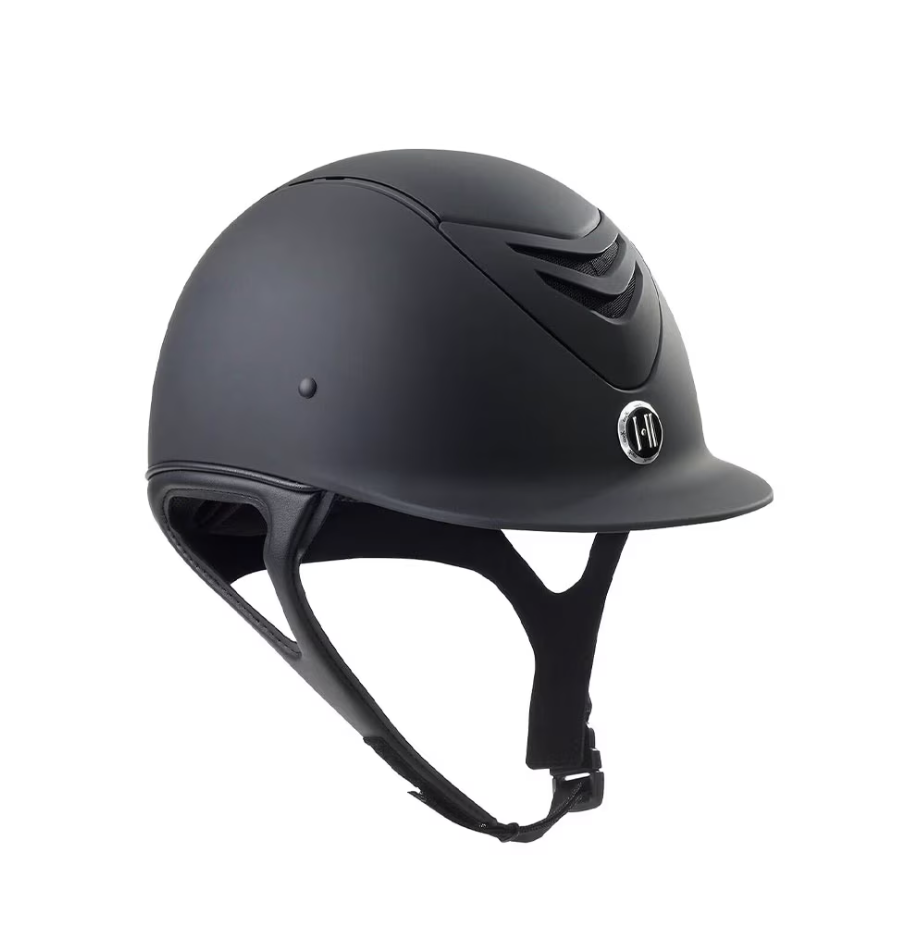
This technology is available in the CCS with MIPS or Avance CCS with MIPS Wide Brim models.
Fit Matters: It’s Not Just the Helmet Model That Protects You
Even the best helmet can’t do its job if it doesn’t fit properly. The “right helmet worn well” beats the “best helmet poorly fitted” every time. Here are key factors & tips on getting fit right:
1) Measure your head correctly
- Use a soft measuring tape (or string + ruler)
- Measure the widest part: above the eyebrow, just above the ears, around the largest part of the back of your head.
- Compare to the One K’s size chart to determine your size.
2) Know your head shape (round vs long/oval)
- Some helmet brands (One K included) offer “Regular/Round” fits and “Long Oval” fits. The goal is for the helmet shell to match the general shape of your skull, so pressure is even and there are no hot spots.
- A round-shaped head is almost identical front-to-back and side-to-side, while a long or oval-shaped head is longer front-to-back than side-to-side.
- If you feel tight at the front or back but loose side to side (or vice versa), that’s a clue your shape is off.
3) Try on & test the fit
- The helmet should be snug when you first put it on—not so tight you can’t tolerate it, but enough that it doesn’t shift easily. It will settle slightly with use.
- Check that it doesn’t tip forward/backward or slide side to side.
- Try the “eyebrow wiggle test:” when you move the helmet or wiggle the brim, your eyebrows should move with it. The chin strap should have about one finger’s space under the strap, and straps around the ear should form a triangle that sits roughly under or just at the ear lobe.
Helmet Care and Maintenance Tips
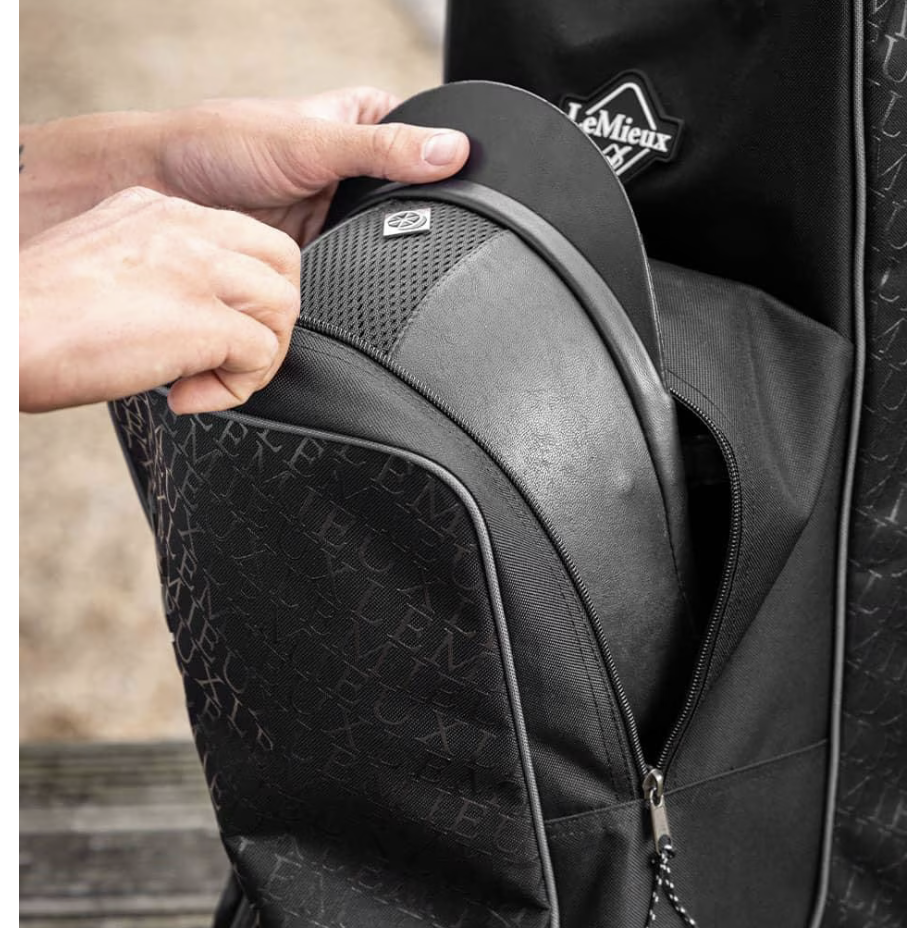
Taking care of your helmet is just as important as choosing the right one. Always avoid exposing your helmet to extreme heat or cold, and try not to drop it, as any impacts, even outside of riding, can compromise its integrity. Keep the liners and pads clean, allow any moisture to fully dry, and avoid using chemicals or paints that could weaken the shell or foam. Using a helmet spray can help disinfect and reduce odors. Proper storage, such as a helmet bag, is also a great way to protect your gear when not in use.
It’s equally important to know when to replace your helmet. After any fall, no matter how minor, the internal structure may be compromised, and the helmet should be replaced. Over time, exposure to heat, sweat, UV light, and everyday wear gradually degrades materials, so most manufacturers recommend replacing helmets every three to five years, depending on how often they’re used and how well they’re stored.
Choosing Your One K Helmet
One K Helmets are among the good options in equestrian helmet gear. With proper fit, added technologies like MIPS, and awareness of lifespan and maintenance, they can offer strong protection. Choose from their best helmet designs available at FarmVet when it is time to replace your helmet.
Continue reading to learn more about when you should replace your helmet, as well as tips to improve longevity.