
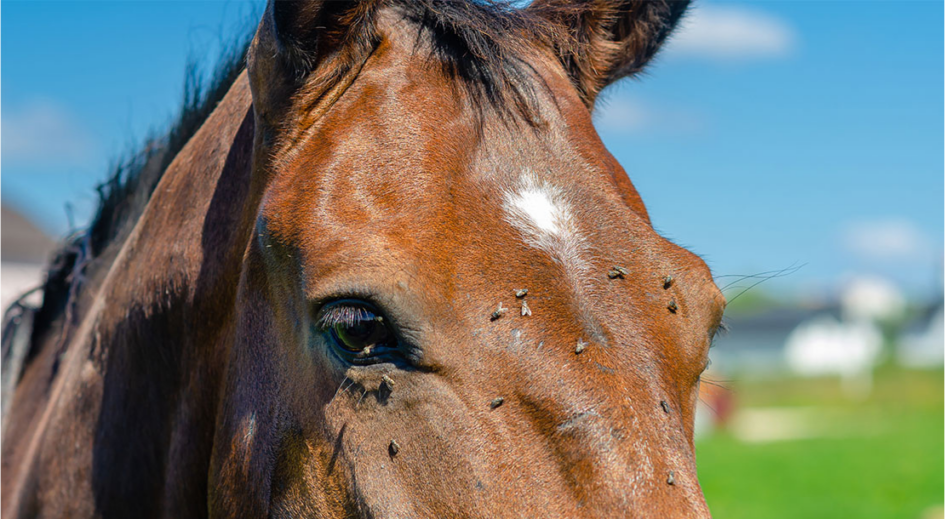
Choosing the best fly spray for your horse isn’t just about grabbing whatever is on sale. It’s about matching the formula to your horse’s workload, environment, and sensitivity. From humid summers to dry, dusty arenas, different conditions call for different solutions. Understanding the difference between oil-based, water-based, and natural fly sprays can help you build a more effective fly control program, and keep your horse comfortable..
Below, we’ll break down each type, when to use it, and FarmVet-approved fly spray picks to help you make the best choice.
Oil-Based Fly Sprays: Long-Lasting Protection for Turnout & Heavy Workloads
If your horse lives outside, travels frequently, or sweats heavily, oil-based fly sprays are often the go-to. These formulas are designed to adhere to the coat and resist sweat, humidity, and rain, making them ideal for longer-lasting protection.
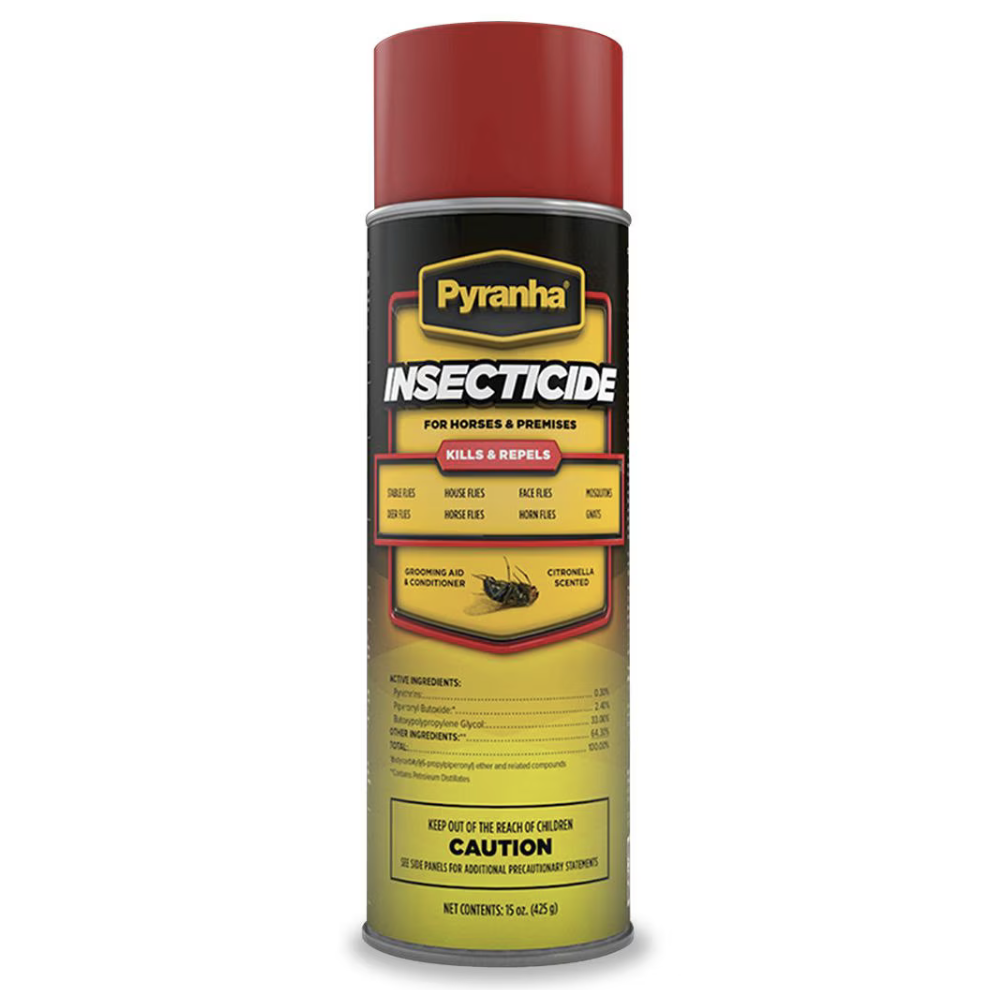
Popular options in this category are Pyranha Aerosol Fly Spray or Wipe N’ Spray. These pyrethrin-based formulas not only repel and kill flies, mosquitoes, gnats, and ticks, but also double as a light grooming aid. Added ingredients like lanolin help condition the coat and leave behind a noticeable shine, making it a great option for horses that need both protection and presentation.
Oil-based sprays are popular because they can continue working even after a ride or during turnout in harsh weather. Many formulas can last several days, though reapplication is still necessary depending on conditions.
Best for:
- Horses in full-time turnout
- High-performance or work horses
- Humid climates or heavy sweat conditions
Considerations:
Oil-based sprays can feel heavier on the coat and may attract dust in dry environments. They’re also not always ideal for horses with sensitive skin.
Water-Based Fly Sprays: Lightweight & Everyday Protection
Water-based sprays are the most common, and for good reason. They’re lightweight, easy to apply, and typically well-tolerated, making them a staple in everyday barn routines.
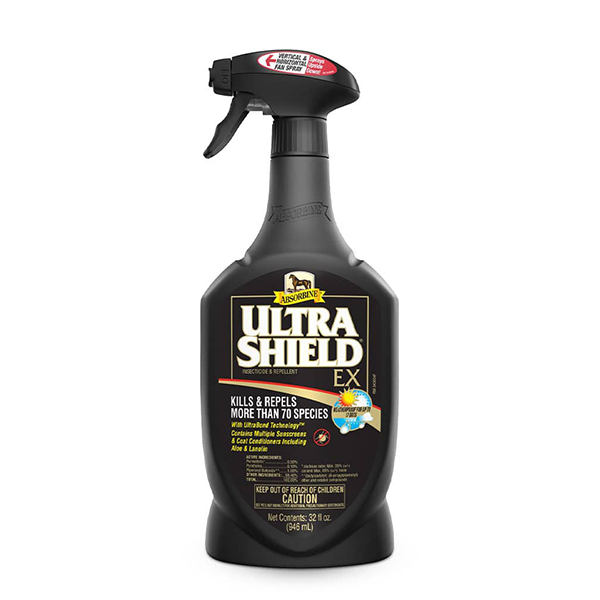
The Absorbine UltraShield formulas offer broad-spectrum coverage and reliable protection against a wide range of insects and circumstances.
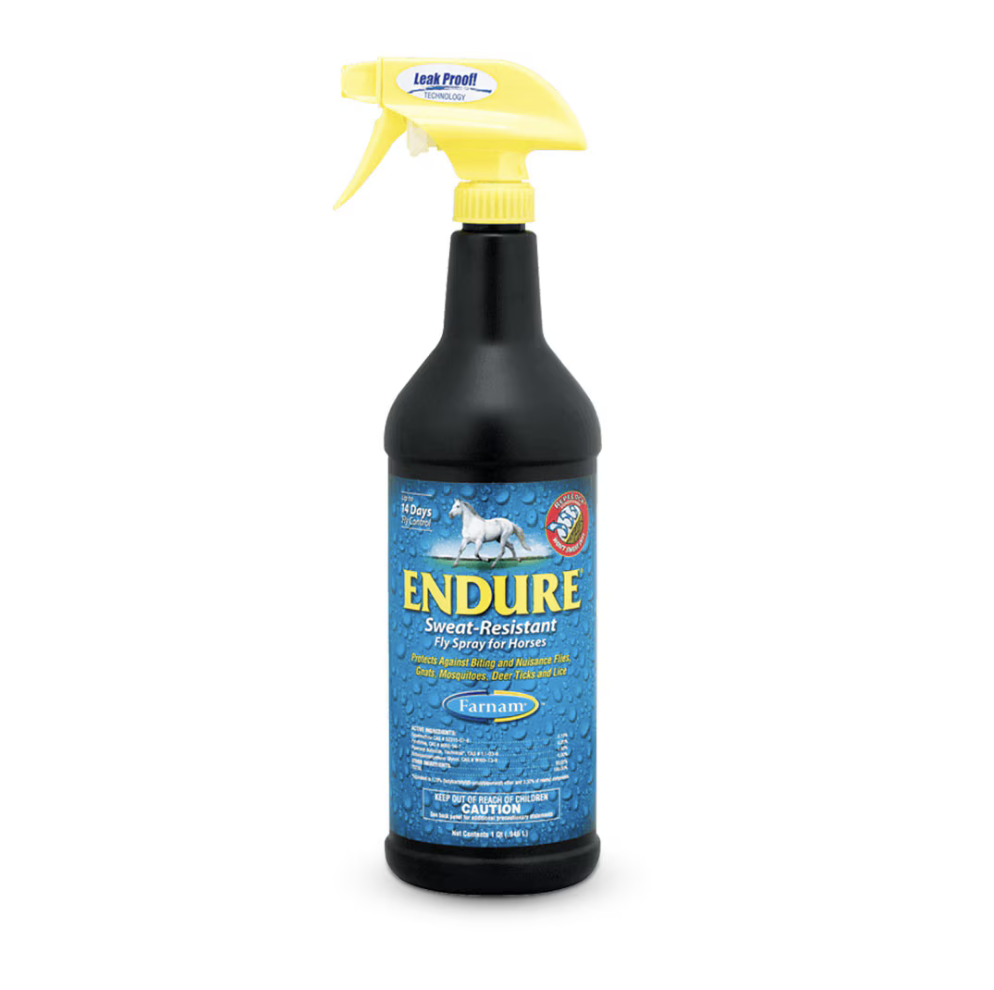
Meanwhile, Farnam Endure Fly Spray is known for its weather-resistant properties, helping extend protection in heat, humidity, and light moisture.
Water-based formulas often include insecticides that both repel and kill flies, mosquitoes, and ticks. Some advanced formulas even offer extended protection—up to several days under ideal conditions—thanks to weatherproof technology.
Best for:
- Daily use before rides or turnout
- Moderate fly pressure
- Horses with sensitive skin
Considerations:
While convenient, most water-based sprays don’t last as long as oil-based options, especially in heat, humidity, or during intense exercise.
Natural Fly Sprays: Gentle, Plant-Based Protection
For horses with sensitive skin or owners looking for a more eco-conscious option, natural fly sprays offer a gentler alternative. These formulas rely on essential oils like citronella, rosemary, and thyme instead of synthetic insecticides.
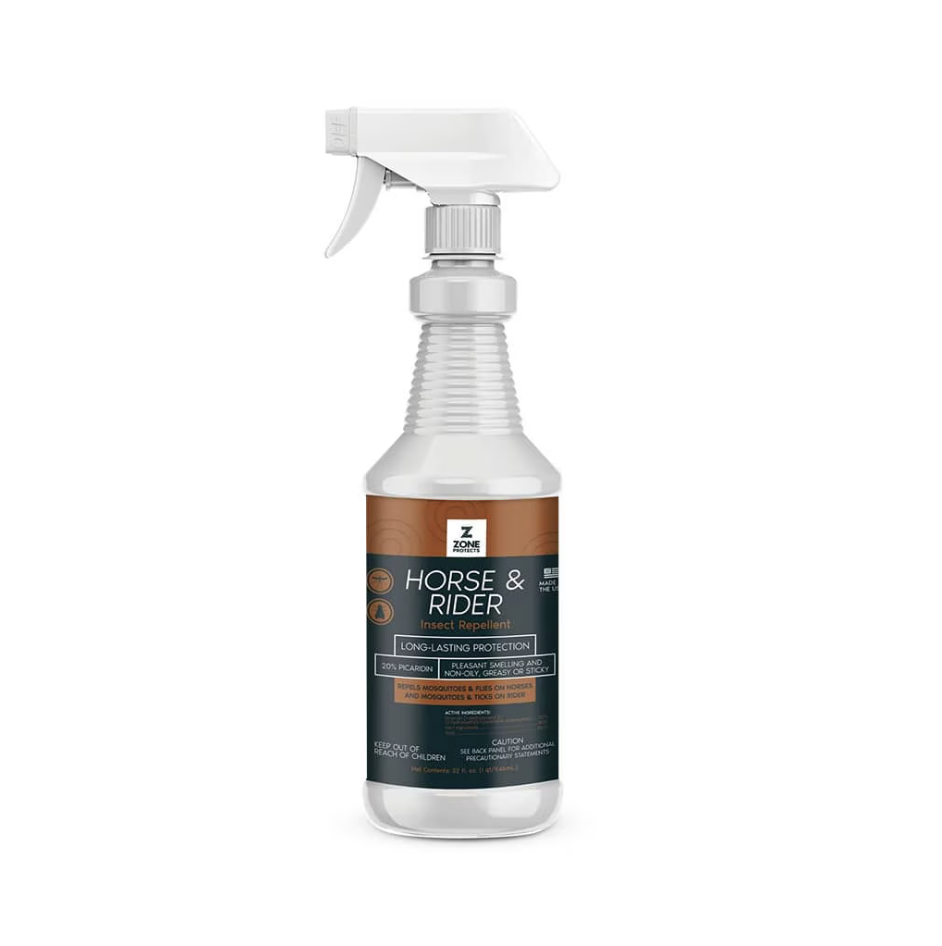
The Zone Protects Horse & Rider Insect Repellent is a plant-based formula designed for both horse and rider, making it a versatile option for riders looking to simplify their routine.
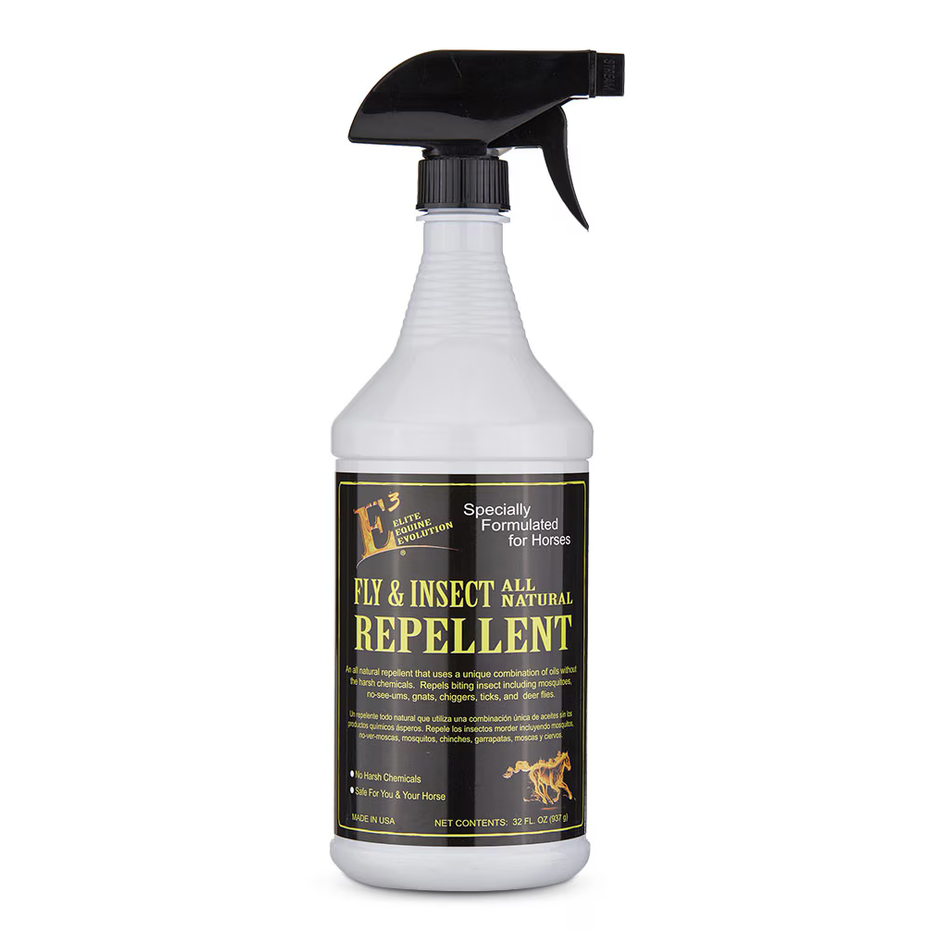
Other options, such as E3 All Natural Fly Repellent Spray use a blend of essential oils and conditioning ingredients, offering light protection while supporting equine skin and coat health.
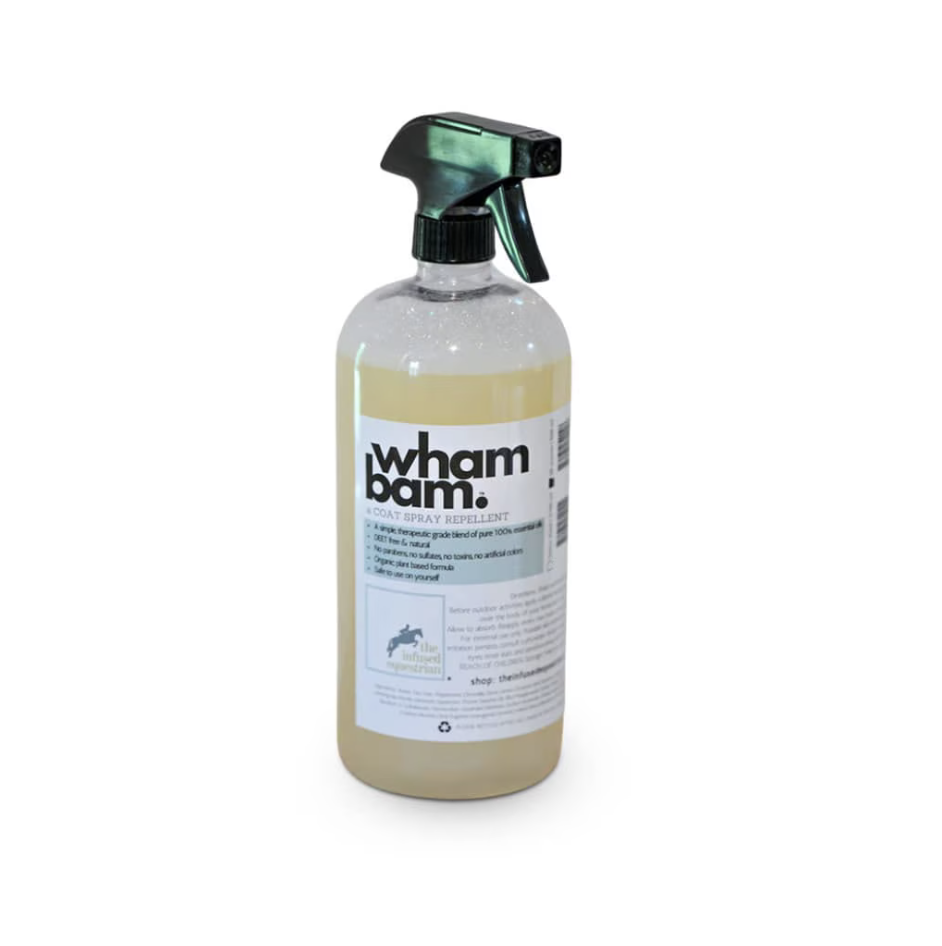
Wham Bam. A Coat Spray Repellent uses ingredients like citronella, peppermint, lemongrass, and eucalyptus to repel insects, while also acting as a coat conditioner. It is also suitable for both horse and rider.
Natural sprays are especially appealing because they’re safe for frequent use and often smell better than traditional sprays. Many formulas provide several hours of protection while remaining non-irritating and environmentally friendly.
Best for:
- Non-toxic alternatives
- Foals or multi-species barns
- Light to moderate fly pressure
Considerations:
Natural sprays typically require more frequent application and may not hold up as well in heavy fly populations or extreme weather.
For horses prone to skin reactions or conditions like sweet itch, choosing a gentle formula becomes even more important. Learn more in our Guide to Sweet Itch.
What is the Best Fly Spray for Your Horse?
When deciding between oil, water, and natural fly sprays, think beyond just the label. The best choice often depends on your horse’s lifestyle, workload, and environment.
- For maximum longevity: Go with an oil-based formula
- For everyday convenience: Choose a water-based spray
- For light use or multiple species flexibility: Opt for a natural solution
In many cases, the most effective approach isn’t choosing just one—it’s rotating or layering products. For example, using a water-based spray daily while reserving an oil-based option for hot and humid or show days can give you the best of both worlds.
Stay Ahead of Fly Season
Fly control isn’t one-size-fits-all, and your spray shouldn’t be either. By understanding the differences between oil, water, and natural formulas, you can create a more targeted approach that keeps your horse comfortable, protected, and performing at their best.
In many cases, combining sprays with physical protection like fly sheets can offer more consistent coverage throughout the day. If you’re exploring that route, check out our guide on choosing the right fly sheet. Shop FarmVet for trusted fly control solutions designed to keep you and your horse comfortable all season long.