
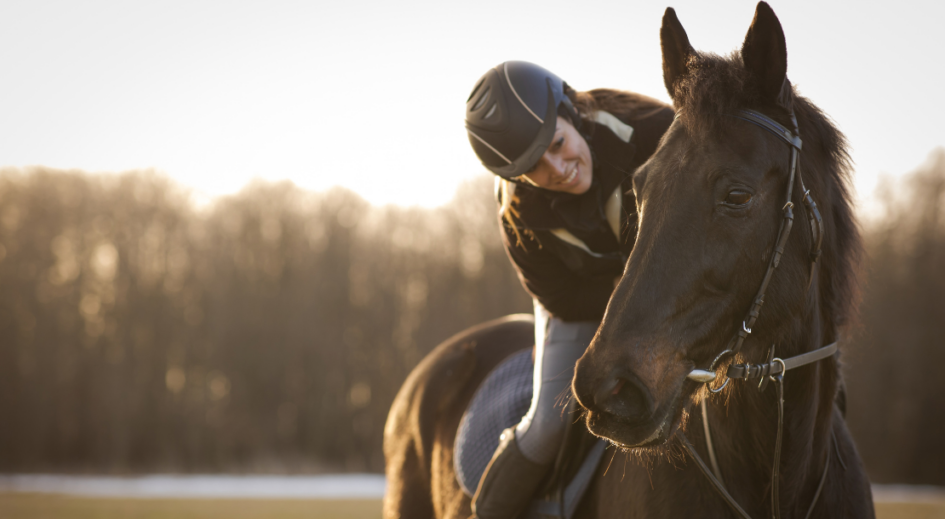
Fall is the perfect time to take a closer look at your horse’s health and routine before colder weather settles in. Pasture changes, shorter days, cooler temperatures, and more time spent in the barn can all mean adjustments to your horse’s daily care.
A little preparation now can make the transition into winter easier for both you and your horse. Use this fall horse health checklist to make sure you have the essentials covered before winter arrives.
1. Review Your Horse’s Vaccination Schedule
Fall is a good time to review your horse’s vaccination records and talk with your veterinarian about what is due next. Your horse’s vaccination needs can vary based on factors such as age, travel, competition schedule, housing, and exposure to other horses.
If your horse travels to shows or will be exposed to new horses during the fall and winter, make sure you and your veterinarian have a plan that fits your horse’s individual risk factors.
Not sure what to discuss with your veterinarian? Read our Fall Vaccination Tips for Horse Owners for a helpful starting point.
2. Schedule a Fall Farrier Check
Hoof care is important year-round, but fall weather can create its own set of challenges. Mud, moisture, changing footing, and wet stalls can all affect hoof condition.
Keep regular farrier appointments on the calendar and check your horse’s feet daily. Pick out each hoof and look for changes in the frog, sole, hoof wall, or overall soundness.
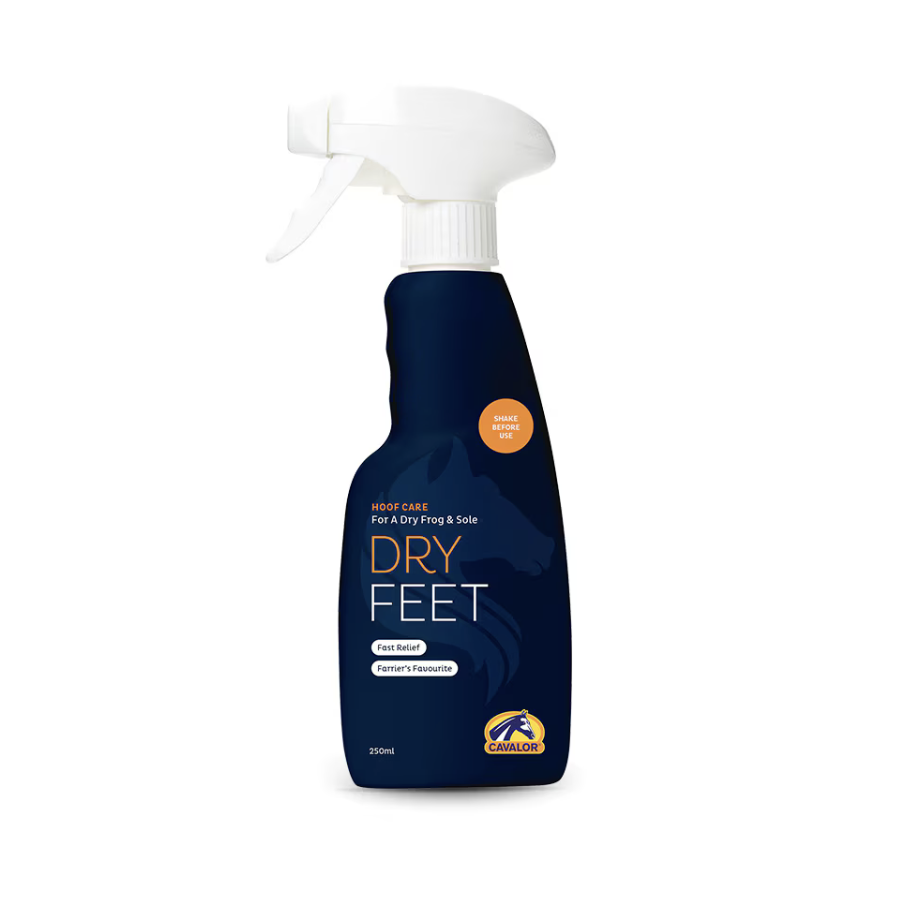
For horses spending more time in wet conditions, Cavalor Dry Feet is one option to keep in your hoof-care kit. The topical formula helps dry the frog and sole and targets thrush-causing bacteria.
3. Start the Transition From Pasture to Hay
As pasture growth slows, many horses begin relying more heavily on hay. Avoid waiting until the pasture is completely gone to make the switch.
Introducing hay while your horse still has access to pasture allows you to gradually increase hay intake as pasture availability decreases. A slow transition gives the digestive system time to adjust to changes in forage type, moisture, fiber, and nutrient content.
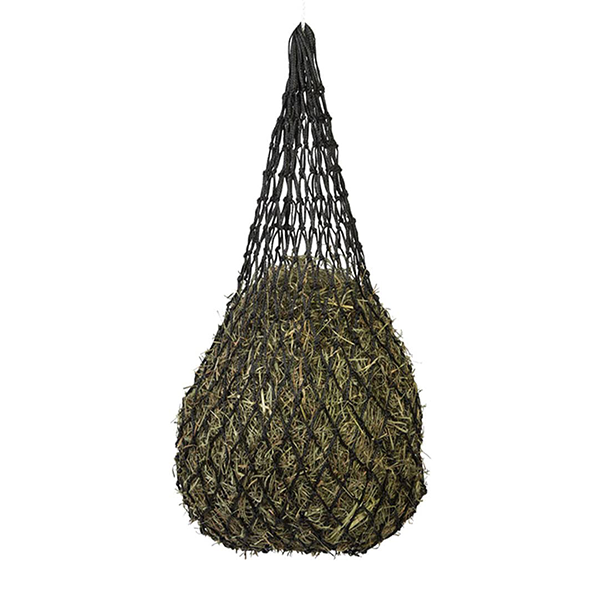
It is also a good time to evaluate how your horse eats. If your horse tends to finish hay quickly, a slow-feed hay net or feeder can help extend eating time and encourage a more natural feeding pattern.
For a closer look at making this seasonal change, read How to Safely Transition Horses From Pasture to Hay.
4. Check Body Condition and Adjust the Feeding Plan
Winter can change your horse’s calorie needs, particularly for senior horses, hard keepers, clipped horses, and horses living outside in colder conditions.
Take a look at your horse’s body condition before temperatures drop. If your horse is already on the leaner side, talk with your veterinarian or equine nutritionist about whether any diet changes are appropriate. Even easy keepers may need a more carefully managed plan as pasture quality changes.
Fall is also a good time to make sure you have enough hay and feed on hand to avoid scrambling when winter weather makes deliveries or trips to the feed store more difficult.
5. Make a Winter Hydration Plan
Water is easy to overlook once temperatures cool down, but winter hydration is just as important as it is during the summer.
Horses may drink less when water is very cold, and a diet based primarily on dry hay provides less moisture than fresh pasture. Make sure your horse has access to clean, fresh water throughout the day and monitor their normal drinking habits.
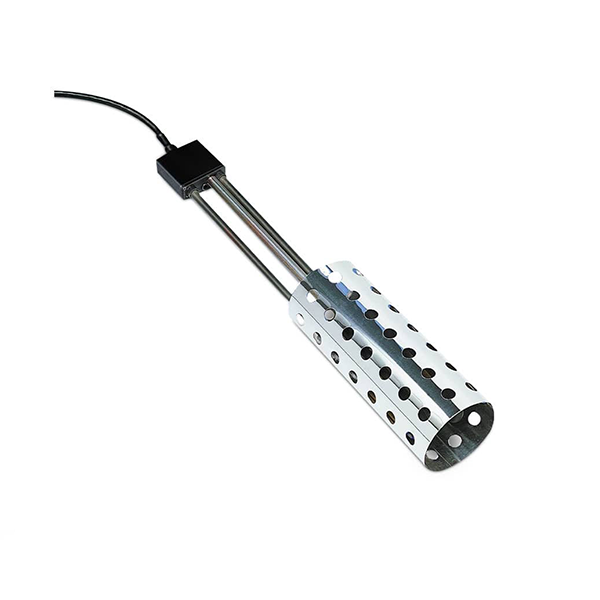
Before freezing temperatures arrive, check your buckets, troughs, heaters, and de-icers to make sure everything is working properly. A heated water bucket or bucket heater can be a worthwhile addition to your winter barn setup.
6. Check Your Blankets Before You Need Them
Don’t wait for the first freezing night to discover that your horse’s blanket has a broken strap or no longer fits properly.
Pull out your winter blankets in the fall and inspect them for tears, damaged hardware, worn areas, and waterproofing. Try them on your horse before they are needed and make sure they allow comfortable movement without pulling across the shoulders or withers.

If your horse is prone to blanket rubs, a BlanketBib or WitherShield can provide an additional layer of protection in common problem areas. Blanket liners can also be useful to have on hand for frequently changing weather.
Keep your blanketing decisions based on your individual horse, including their coat, body condition, age, health, clipping status, living environment, and weather conditions.
7. Prepare for More Time in the Barn
For many horses, winter means more hours spent inside. That makes fall a good time to evaluate the barn environment before everyone starts spending more time indoors.
Check ventilation, bedding, stall cleanliness, and hay storage. Good airflow is especially important when horses are spending more time in enclosed spaces, and dusty hay or bedding can contribute to respiratory irritation.

If you feed hay indoors, consider whether a slow feeder or hay steamer would fit into your management routine. The HayGain Forager Slow Feeder is designed to encourage slower, more natural hay consumption and can help extend feeding time during longer periods in the stall. On the other hand, HayGain Steamers help eliminate dust, mold, and other irritating particles from the hay.
8. Refresh Your Grooming Routine
Cooler weather, thicker coats, mud, and blanketing can all change your horse’s grooming routine.
Continue checking your horse’s skin regularly, particularly underneath blankets and around the shoulders, withers, girth area, and hindquarters. Remove blankets regularly so you can check for rubs, irritation, and changes in skin condition.
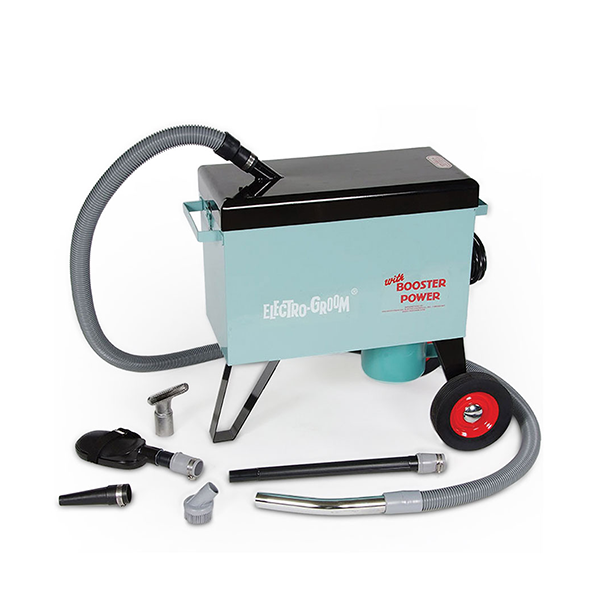
Fall is also a good time to refresh your grooming supplies. Coat conditioners, detanglers, brushes, curries, and grooming kits can all come in handy as horses grow thicker coats and spend more time in the barn. Now is also the perfect time to consider adding an Electro Groom to the lineup for the simplest winter grooming.
9. Restock Your First Aid Kit
Fall is also a good time to go through your equine first aid supplies. Check expiration dates, replace anything that has been used, and make sure frequently needed items are easy to find.
At minimum, your barn first aid supplies should include items such as a digital thermometer, gloves, gauze, bandaging materials, antiseptic supplies, and bandage scissors. Keep your veterinarian’s phone number and emergency information somewhere accessible, too.
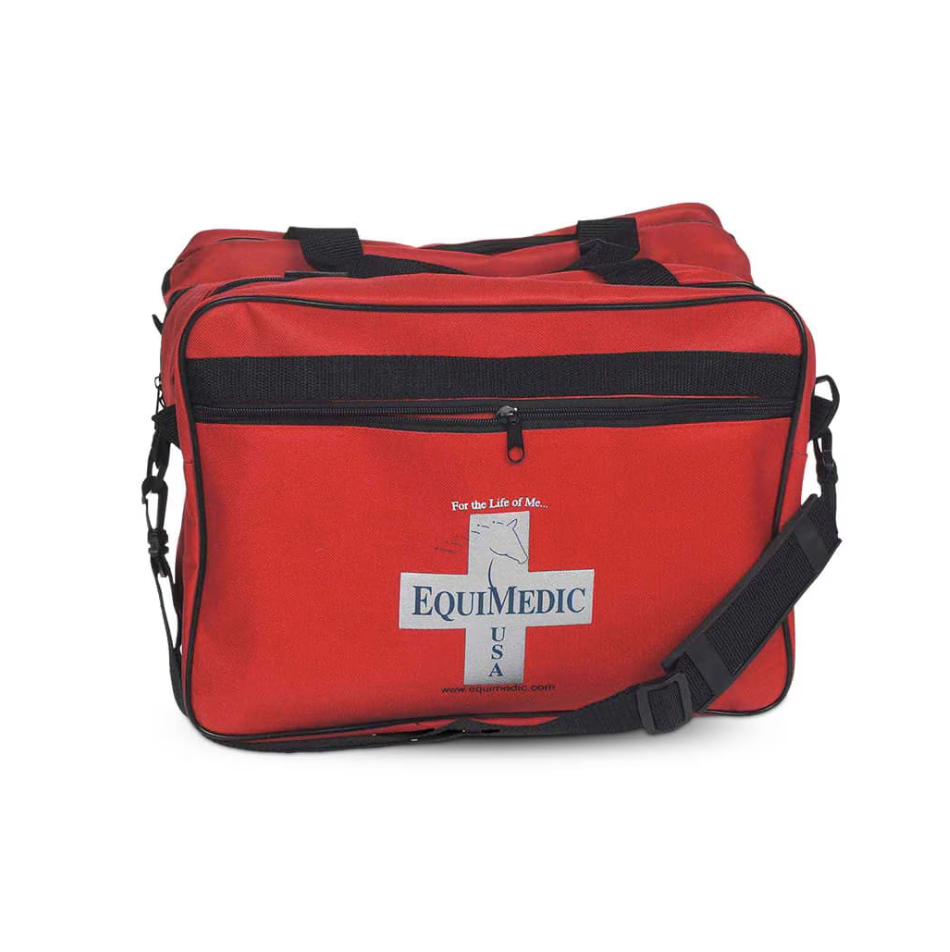
If your first aid kit is looking a little bare, fall is a good time to restock essential first aid supplies or build a complete equine first aid kit before winter weather arrives.
10. Take a Final Look at Your Horse’s Winter Routine
Before winter arrives, step back and look at the big picture.
Is your horse’s feeding routine ready for the seasonal forage change? Are farrier and veterinary appointments scheduled? Do blankets fit? Is the water system prepared for freezing temperatures? Do you have enough hay, bedding, and first aid supplies?
Fall preparation is less about making major changes and more about catching small things before they become winter problems.
A few extra checks now can help you head into the colder months with a healthier horse, a better-prepared barn, and one less thing to worry about when the weather turns.
Prepare for Winter With FarmVet
From hoof care and hydration supplies to feeding equipment, grooming essentials, and first aid products, FarmVet has the horse health and barn supplies you need to prepare for the season ahead.
Take a few minutes this fall to check your horse’s routine, restock your barn, and make a plan for the months ahead. Your future winter self will thank you.
Leave a Reply