
Equine gastric ulcers are one of the most common health concerns affecting horses of all ages and disciplines. From performance horses and racehorses to pleasure horses and retirees, ulcers can impact appetite, attitude, body condition, and overall performance.
For years, horse owners have relied on a limited number of prescription medications to manage equine gastric ulcers. Now, there’s a new option available.
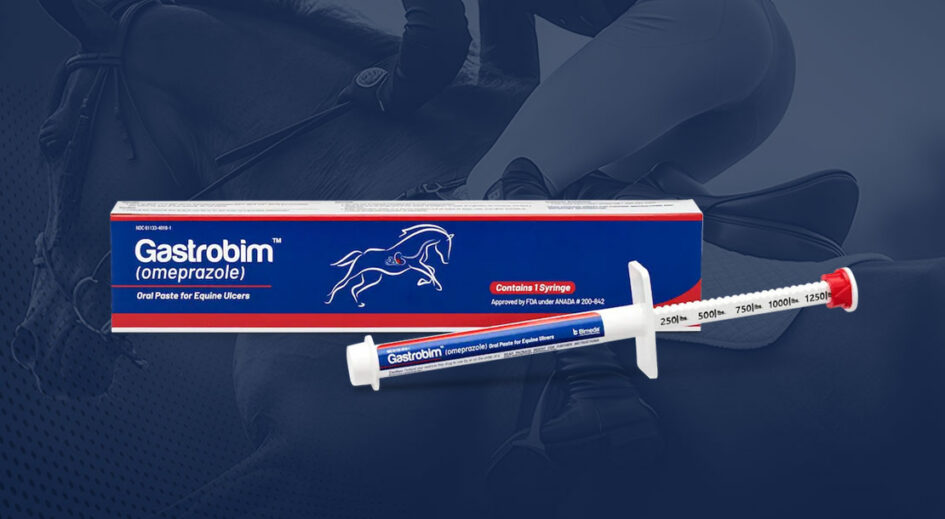
Gastrobim from Bimeda is the newest FDA-approved prescription treatment for equine gastric ulcers, offering veterinarians and horse owners another effective tool for managing Equine Gastric Ulcer Syndrome.
Here’s what you need to know about Gastrobim, how it works, and when your veterinarian may recommend it.
What Is Gastrobim?
Gastrobim is an FDA-approved oral omeprazole paste indicated for the treatment of gastric ulcers in horses. Like some other ulcer medications and supplements, Gastrobim works by reducing stomach acid production, allowing existing ulcers to heal while minimizing additional irritation to the stomach lining.
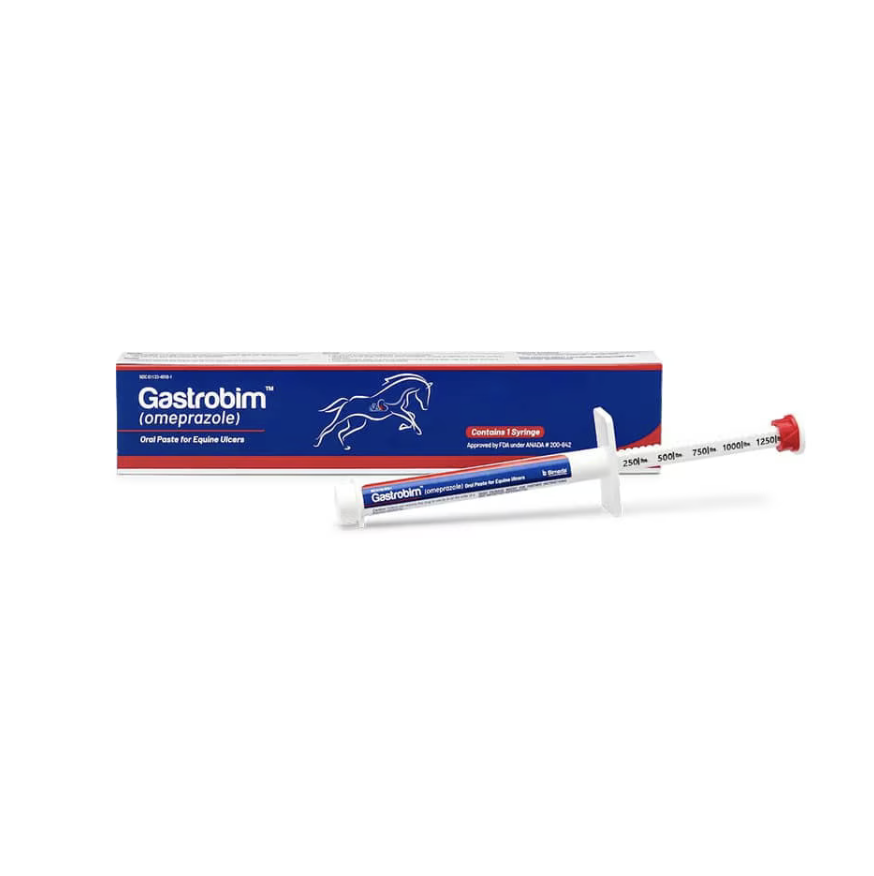
Gastrobim is administered once daily and is available by prescription through your veterinarian or licensed pharmacy such as FarmVet.
What Causes Equine Gastric Ulcers?
A horse’s stomach continuously produces acid, even when the horse isn’t eating. In a natural grazing environment, constant forage helps buffer that acid. However, modern management practices can increase the risk of ulcer development.
Common risk factors include:
- Intense training or competition
- High-grain, low-forage diets
- Transportation and travel
- Stall confinement
- Stress from changes in routine
- Extended periods without access to forage
These factors can damage the stomach lining, resulting in painful ulcers that may affect both health and performance.
Signs Your Horse May Have Gastric Ulcers
Ulcer symptoms can vary widely, and some horses show only subtle signs.

Common symptoms include:
- Poor appetite or picky eating
- Weight loss or difficulty maintaining condition
- Dull hair coat
- Behavioral changes or irritability
- Poor performance
- Girthiness or sensitivity around the abdomen
- Teeth grinding
- Mild recurrent colic
- Reluctance to move forward under saddle
Because many of these symptoms overlap with other health conditions, your veterinarian should perform a thorough examination. Gastroscopy remains the gold standard for diagnosing gastric ulcers.
How Does Gastrobim Work?
Gastrobim contains omeprazole, a proton pump inhibitor (PPI). Omeprazole blocks the stomach’s acid-producing pumps, significantly reducing acid secretion.
As aforementioned, lower stomach acid creates an environment where ulcers can heal more effectively while helping relieve discomfort associated with gastric irritation.
For best results, Gastrobim should be administered exactly as prescribed by your veterinarian. Completing the full treatment course is important, even if your horse appears to improve before treatment is finished.
Gastrobim vs. Other Omeprazole Treatments
Gastrobim joins the list of FDA-approved omeprazole paste products available for treating equine gastric ulcers. While it contains the same active ingredient as other prescription omeprazole treatments, your veterinarian can help determine which product is the best fit based on your horse’s medical history, treatment plan, availability, and your budget.
Regardless of which prescription product is used, proper diagnosis and veterinary guidance are essential for successful ulcer treatment.
Supporting Your Horse During Ulcer Treatment
Medication is only one part of managing gastric ulcers. Making adjustments to your horse’s daily management can help promote healing and reduce the risk of recurrence.
Consider these best practices:
- Provide free-choice forage whenever possible.
- Limit long periods without hay or pasture access.
- Feed smaller, more frequent meals.
- Reduce unnecessary stress during training and travel.
- Work with your veterinarian to develop a long-term ulcer prevention plan.
- Monitor your horse for recurring signs of gastric discomfort.
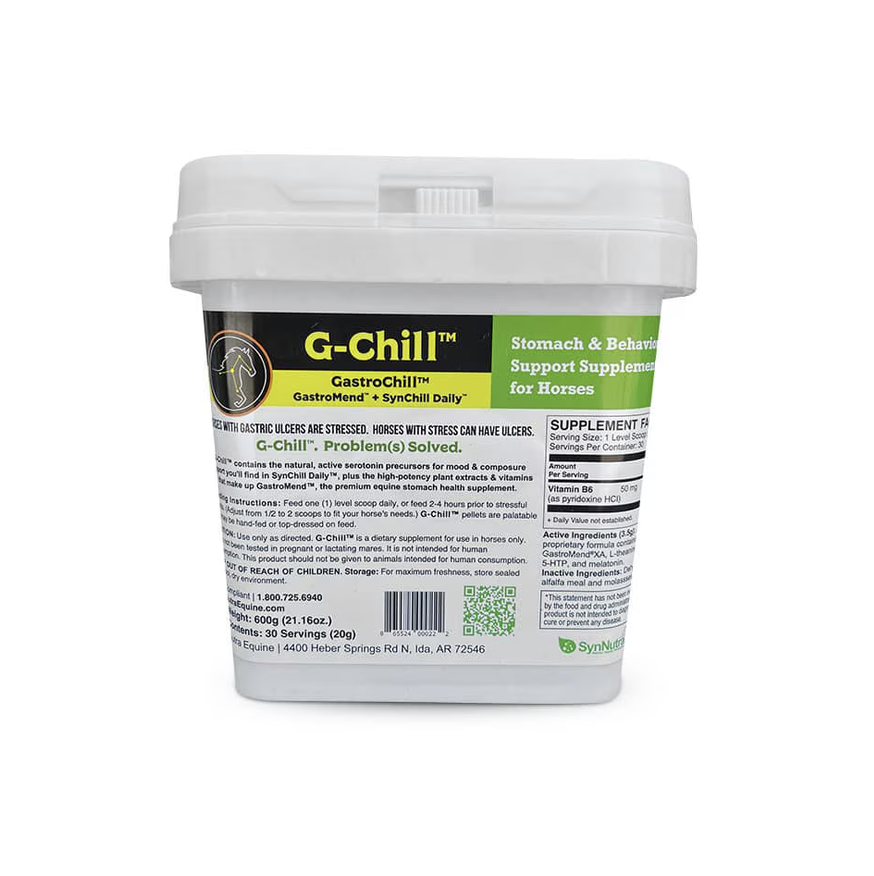
If your horse does tend to be an anxious traveler or gets stressed easily, a supplement like G-Chill can help support both mood and gut health. Management changes combined with appropriate medical treatment often provide the best long-term outcome.
Frequently Asked Questions
Is Gastrobim available over the counter?
No. Gastrobim is a prescription medication and must be prescribed by a licensed veterinarian.
Does Gastrobim treat all types of equine gastric ulcers?
Gastrobim is approved for treating gastric ulcers in horses. Your veterinarian will determine whether your horse’s ulcers are consistent with the approved indication and whether Gastrobim is the appropriate treatment.
How long does ulcer treatment take?
Treatment length varies depending on the severity of the ulcers and your veterinarian’s recommendations. Always complete the prescribed course of medication.
Can gastric ulcers come back?
Yes. Horses remain at risk if underlying management factors aren’t addressed. Reducing stress, increasing forage availability, and following your veterinarian’s recommendations can help decrease recurrence.
Supporting Your Horse’s Digestive Health
Healthy digestion plays an important role in your horse’s comfort, attitude, and performance. When ulcers are diagnosed early and treated appropriately, many horses can return to feeling and performing like themselves again.
If Gastrobim is the right choice for your horse, FarmVet offers convenient access to prescription medications along with the everyday supplies you need to support your horse’s digestive health.
Whether you’re managing ulcers in a show horse or supporting long-term gastric health, FarmVet is here to help keep your horse feeling and performing its best.