

When summer temperatures rise, many horse owners focus on keeping their horses cool and comfortable. But heat stress in horses is far more complex than simply overheating after exercise. It is a whole-body physiological challenge that can affect hydration, digestion, recovery, metabolism, immune function, appetite, and long-term gut health.
In hot and humid regions of the United States—particularly Florida, Texas, Arizona, Kentucky, and much of the Southeast—horses are often exposed to prolonged environmental stress for weeks or months at a time. Add training, hauling, competition schedules, confinement, or dietary changes into the mix, and many horses can quickly become overwhelmed by cumulative stress.
The challenge is that heat stress often develops gradually. A horse may appear normal during a lesson, competition, or training session, but after several consecutive days of heat, travel, sweating, and exertion, subtle signs begin to emerge. Owners may notice reduced appetite, irritability, poor recovery, inconsistent manure quality, dehydration, or a horse that simply feels “off” under saddle.
Understanding how heat affects the horse’s body—and especially the digestive system—can help owners take a more proactive approach to summer management and long-term health.
Why Horses Struggle in Hot Weather
Under normal weather conditions, horses rely on sweating and evaporation to regulate body temperature. However, in hot and humid climates, the cooling process becomes far less efficient because moisture in the air limits evaporation.
The problem is rarely caused by temperature alone. In many cases, heat stress develops because multiple stressors accumulate over time. A horse that is training hard, traveling frequently, standing in trailers, adapting to new environments, or undergoing dietary changes is already under physiological strain. When prolonged heat and humidity are added to that equation, the body’s ability to cope can begin to decline rapidly.
Over time, chronic stress may negatively affect:
- Digestion and nutrient absorption
- Hydration status
- Muscle recovery
- Immune function
- Metabolic stability
- Performance and behavior
This cumulative stress load is one of the reasons some horses suddenly seem to “fall apart” during summer competition seasons, even when individual stressors may appear manageable on their own.
Common Signs of Heat Stress in Horses
Recognizing early warning signs is critical. Horses often show subtle indicators of heat stress long before they become severely overheated.

Common signs include:
- Excessive sweating or suddenly stopping sweating
- Elevated respiratory rate
- Elevated heart rate
- Lethargy or depression
- Reduced appetite
- Decreased water intake
- Muscle cramping
- Dehydration
- Colic signs
- Poor recovery after exercise
- Rectal temperature over 103°F
Some horses may also begin to exhibit more subtle digestive and behavioral changes. Owners frequently report loose manure, inconsistent stool quality, increased irritability, declining performance, or unusual sensitivity under saddle. While these signs are easy to dismiss initially, they may indicate that heat and cumulative stress are beginning to disrupt gastrointestinal function and overall wellbeing.
The Hidden Connection Between Heat Stress and Gut Health
One of the most overlooked consequences of heat stress is its effect on the gastrointestinal tract.
During periods of overheating and physical stress, the horse’s body prioritizes blood flow to muscles and cooling mechanisms. As a result, circulation to the digestive tract may be reduced. Over time, this can compromise the integrity of the intestinal lining and destabilize the hindgut environment.
This may contribute to:
- Reduced gut lining integrity
- Increased intestinal permeability (“leaky gut”)
- Hindgut disruption
- Inflammation
- Poor nutrient absorption
As digestive function deteriorates, horses may become more susceptible to:
- Poor manure quality
- Recurrent colic
- Gastric ulcers
- Skin issues
- Immune dysfunction
- Increased laminitis risk
For this reason, effective summer management is not only about cooling the horse externally. Protecting digestive health and maintaining gut stability are equally important for long-term resilience and recovery.
Hydration and Electrolytes: More Than Just Water
Hydration management is one of the most critical aspects of preventing heat stress.
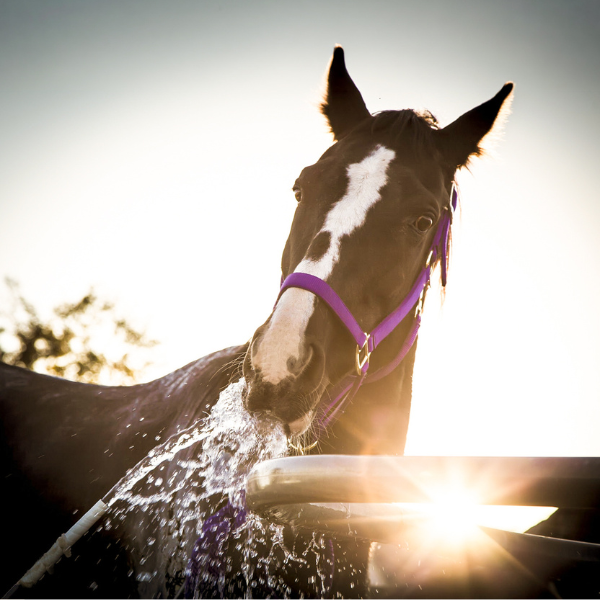
Horses lose significant amounts of electrolytes through sweat, including:
- Sodium
- Chloride
- Potassium
- Magnesium
Unlike some species, horses cannot effectively store electrolytes long term, meaning these minerals must be replenished daily—especially during periods of heavy sweating, travel, or competition.
Many owners rely solely on salt blocks, but research suggests that horses often under-consume salt when blocks are the only source available. Instead, a more proactive hydration strategy may include:
- Providing loose salt daily
- Using balanced electrolyte supplements during hot weather
- Increasing electrolyte intake during heavy sweating
- Encouraging water intake frequently throughout the day
- Adding water to feeds when possible
- Soaking hay during periods of extreme heat to support hydration
Owners should also be cautious of electrolyte products that contain mostly sugar or flavoring with minimal actual electrolyte content. Reading ingredient labels carefully is essential.
Monitoring manure consistency, urine output, drinking behavior, and post-exercise recovery can often provide early clues that hydration status is beginning to decline.
Why Forage Matters During Summer Stress
One of the most common nutritional mistakes during hot weather is reducing forage too aggressively.
Horses are physiologically designed to consume fiber continuously throughout the day. Adequate forage intake supports:
- Gut stability
- Microbial health
- Saliva production
- Gastric buffering
- Mental wellbeing
Restricting forage during stressful periods may worsen:
- Gastric ulcer risk
- Hindgut disruption
- Metabolic instability
- Stereotypic behaviors
Long-stem hay or chopped forage before exercise may also help reduce “acid splash” in the stomach, providing additional support for gastric comfort.
For horses that travel frequently or compete heavily during summer, maintaining consistent forage intake may be one of the simplest yet most effective ways to support digestive health and stress resilience.
Best Cooling Strategies for Overheated Horses
Modern equine research has significantly changed recommendations for cooling overheated horses.

One important takeaway is that continuously applying cool water to the horse’s body is highly effective at lowering core temperature. Contrary to older practices, repeated scraping between applications is not necessary.
Effective cooling strategies include:
- Moving horses into shade immediately
- Applying cool water over the entire body
- Increasing airflow with fans
- Offering fresh water immediately
- Continuing cooling efforts until respiration normalizes
- Monitoring rectal temperature
Cooling efforts should focus particularly on:
- Neck
- Shoulders
- Back
- Hindquarters
- Legs
At competitions, cooling horses between classes and minimizing prolonged standing in direct sunlight can make a significant difference in recovery and overall comfort.
Most importantly, owners should begin cooling efforts early rather than waiting until a horse appears severely distressed.
Horses at Higher Risk of Heat Stress
While all horses can be affected by excessive heat, some are more vulnerable than others.
Higher-risk horses include:
- Horses newly introduced to hot climates
- Overweight horses
- Horses in intense work
- Horses with prior digestive issues
- Dark-coated horses
- Anxious or highly reactive horses
- Horses with anhidrosis (“non-sweaters”)
Anhidrosis—the inability to sweat properly—is especially problematic in humid regions such as Florida and the southeastern United States.
Early signs may include:
- Dry coat despite exercise
- Reduced sweating
- Poor recovery
- Lethargy
- Declining performance
These horses often require more aggressive management strategies, including workload modifications, enhanced cooling protocols, electrolyte support, and careful monitoring during periods of extreme humidity.
Nutritional Support for Heat and Stress Resilience
Nutrition can play a major role in helping horses better tolerate heat, travel, exercise, and environmental stress.
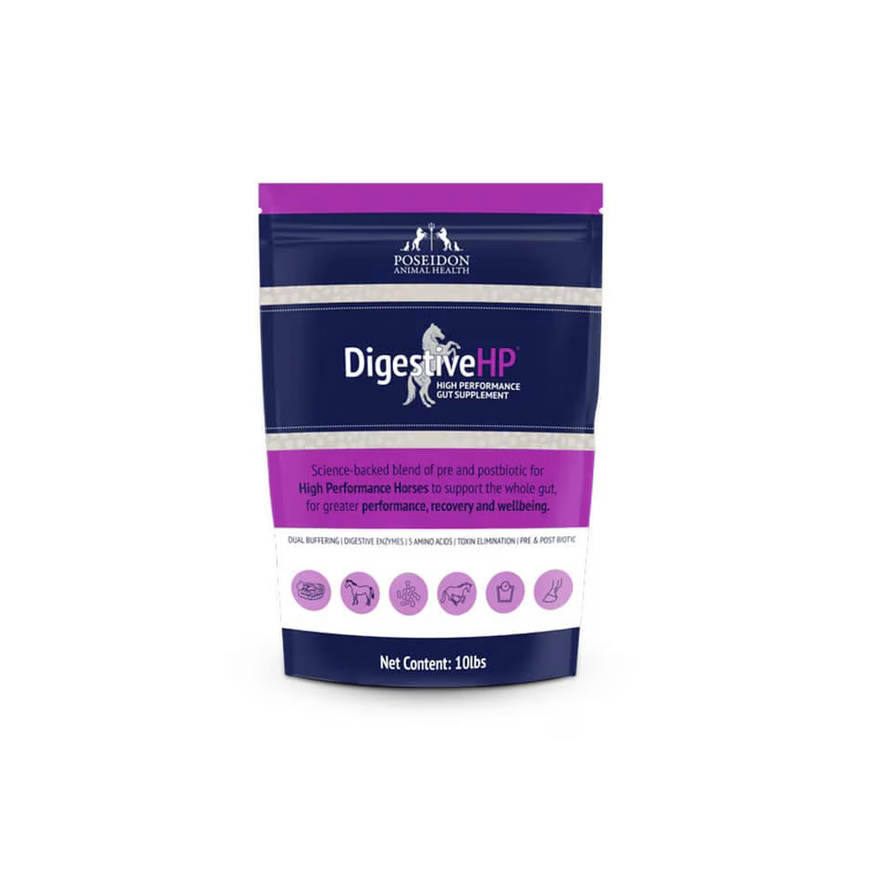
Because the digestive system is often one of the first systems affected during heat stress, supporting gut integrity and microbial stability becomes especially important during summer months.
Several functional ingredients are commonly used to support:
- Gut lining integrity
- Hydration and electrolyte balance
- Stress resilience
- Digestive comfort and recovery
- Microbial balance
Common supportive ingredients may include:
- Seaweed-derived calcium buffers
- Magnesium
- Pectin
- Butyrate
- Glutamine
- Threonine
- Betaine
- Yeast postbiotics
- Chromium
One ingredient receiving increasing attention during hot weather is betaine. Betaine acts as a natural osmolyte, helping cells retain water and maintain hydration at the cellular level. During heat stress, this may help support intestinal cell function and reduce some of the negative effects heat can have on gut permeability and digestive stability.
Other supportive nutrients also serve important functions:
- Glutamine helps fuel and repair intestinal cells
- Threonine supports the protective mucus layer lining the gut
- Yeast postbiotics help stabilize the hindgut microbiome
- Marine calcium and magnesium help buffer excess digestive acidity
Digestive support products such as Digestive HP are designed to incorporate many of these ingredients to help support gastric buffering, hindgut stability, hydration resilience, microbial balance, and digestive comfort during stressful periods.
Practical Summer Management Tips for Horse Owners
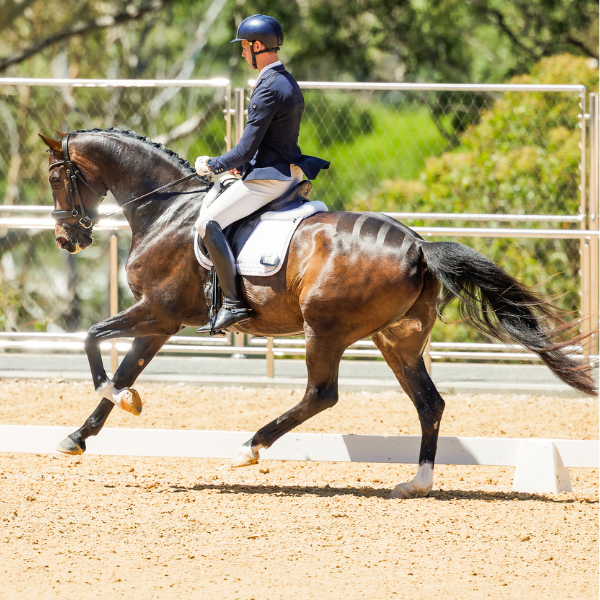
During periods of extreme heat and humidity, proactive management becomes essential. Here are some practical tips:
- Riding early in the morning or later in the evening
- Allowing gradual acclimation to heat
- Increasing electrolyte support
- Maximizing airflow in barns and stalls
- Avoiding prolonged trailer standing
- Providing continuous access to clean water
- Monitoring manure quality closely
- Maintaining forage intake
- Cooling aggressively after exercise
- Watching for subtle behavior changes
- Adjusting workloads during extreme weather
- Cooling horses between competition classes
- Encouraging drinking after exercise and travel
Help Your Horse Stay Ahead of Summer Stress
Heat stress in horses is far more than a simple temperature issue. It is a complex physiological stress event that can influence hydration, digestion, metabolism, recovery, immune function, and athletic performance.
Remember too that heat stress is cumulative. A horse simultaneously dealing with training, travel, dietary changes, confinement, and environmental heat may eventually reach a point where the body struggles to compensate effectively.
The most effective approach to managing summer stress is proactive rather than reactive. Supporting hydration, electrolyte balance, cooling, forage intake, digestive health, and overall stress resilience can make a significant difference in how horses perform and recover throughout the hottest months of the year.
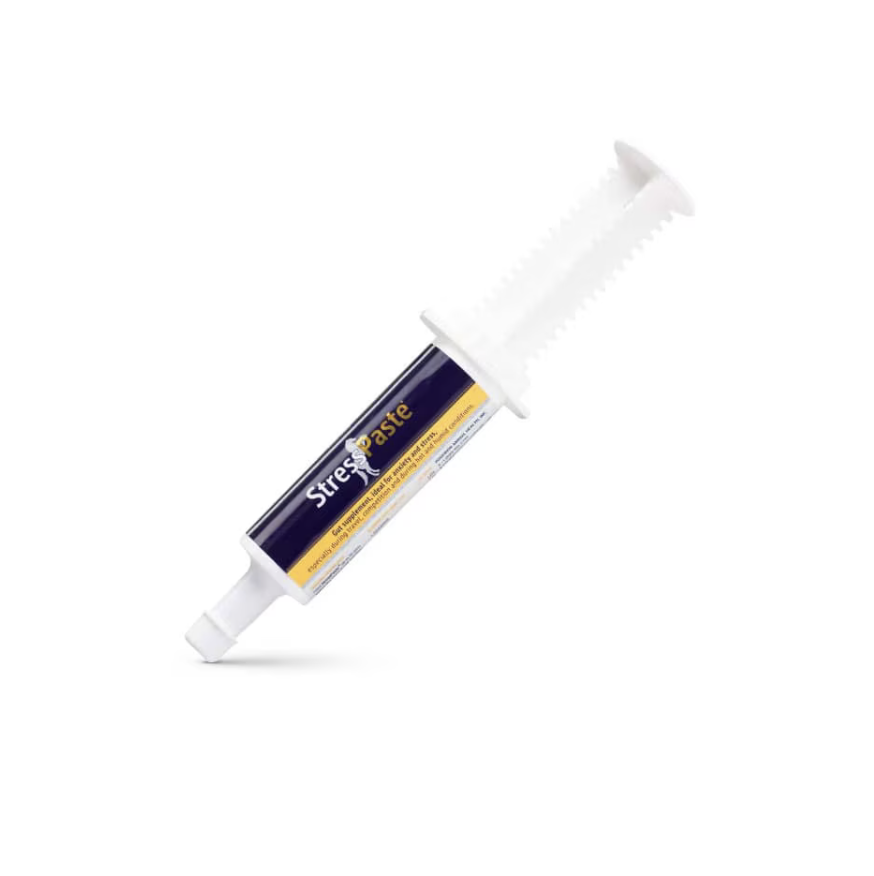
Visit FarmVet to start exploring Poseidon Animal Health Stress Paste and Digestive HP for effective ways to manage stress resilience in horses and keeping them eating, drinking and dialed in even in the summer heat.