
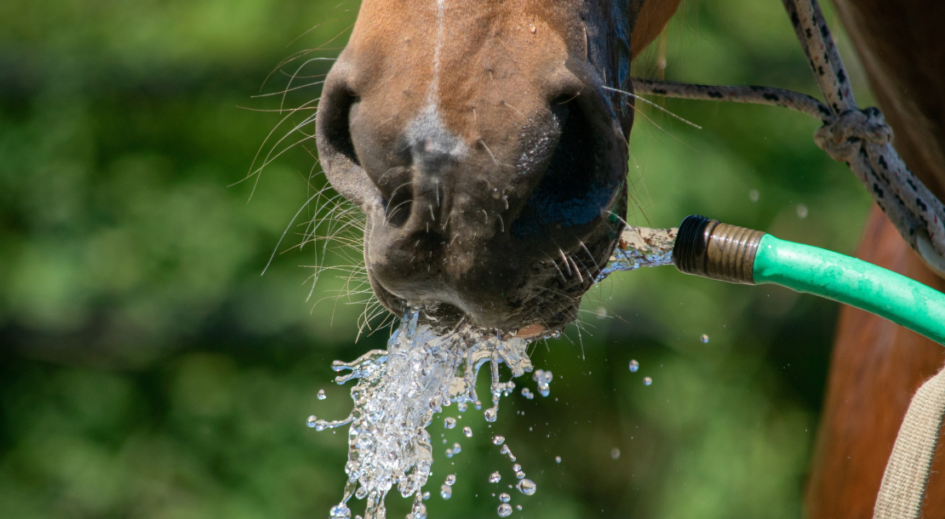
Water is the most important nutrient in your horse’s diet, yet it’s often the one that’s easiest to overlook. Most horses have constant access to fresh water, but that doesn’t always mean they’re drinking enough.
Hot weather, exercise, hauling, competitions, illness, and even changes in water taste can all reduce water intake. Even mild dehydration can affect performance, recovery, digestion, and overall health. In more severe cases, dehydration can contribute to heat stress, impaction colic, and poor athletic performance.
Knowing what to watch for, and how to encourage hydration, can help keep your horse healthy all year long.
How Much Water Does a Horse Need?
An average horse typically drinks 5 to 10 gallons of water per day, though that number can increase significantly depending on:
- Hot or humid weather
- Heavy sweating during exercise
- Travel
- Lactation
- High-forage diets
- Individual preference
Performance and show horses working in the summer may easily consume much more than their normal daily intake as they replace fluids lost through sweat.
Signs Your Horse May Be Dehydrated
Because dehydration often develops gradually, it’s important to recognize the early warning signs.
Watch for:
- Dry or tacky gums
- Slower capillary refill time
- Skin that tents when gently pinched
- Sunken eyes
- Dark or concentrated urine
- Reduced manure production
- Lethargy
- Poor performance or slower recovery after exercise
- Loss of appetite
If your horse appears significantly dehydrated or shows signs of illness, contact your veterinarian immediately.
Why Horses Stop Drinking
Sometimes the problem isn’t water availability—it’s that horses simply don’t want to drink.
This could be the case due to traveling to shows or new facilities resulting in different-tasting water. Many horses become surprisingly selective about water when they’re away from home, making hydration one of the biggest management challenges during show season.
Stress or unfamiliar surroundings can also play a role in thirst appetite. Weather changes, including both cold weather and heat or excessive sweating can affect desire to drink, as well as recovery after strenuous exercise.
Simple Ways to Encourage Water Intake
Fortunately, there are several easy strategies that can help increase voluntary water consumption.
Always Provide Fresh, Clean Water
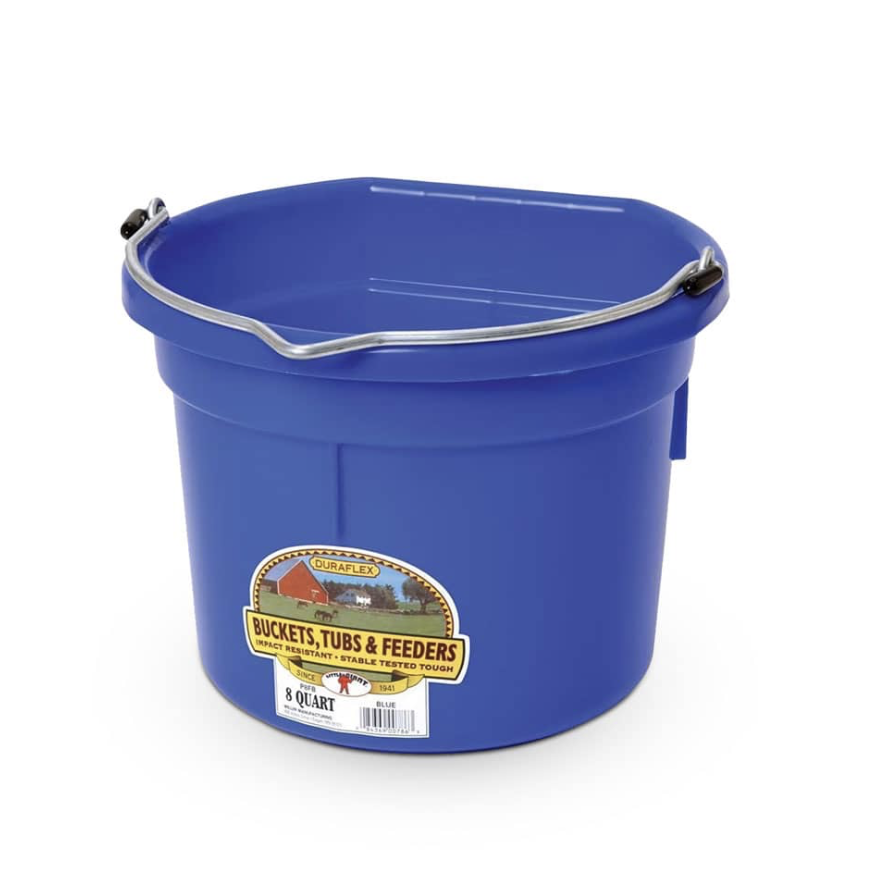
Clean buckets or automatic waterers daily and ensure water stays cool during summer and doesn’t freeze during winter.
Offer Multiple Water Sources
Some horses prefer buckets over automatic waterers, or vice versa. Either way, providing options can help encourage drinking.
Feed Soaked Meals
Adding water to grain or soaking beet pulp or hay cubes can significantly increase total daily water intake.
Keep Salt Available
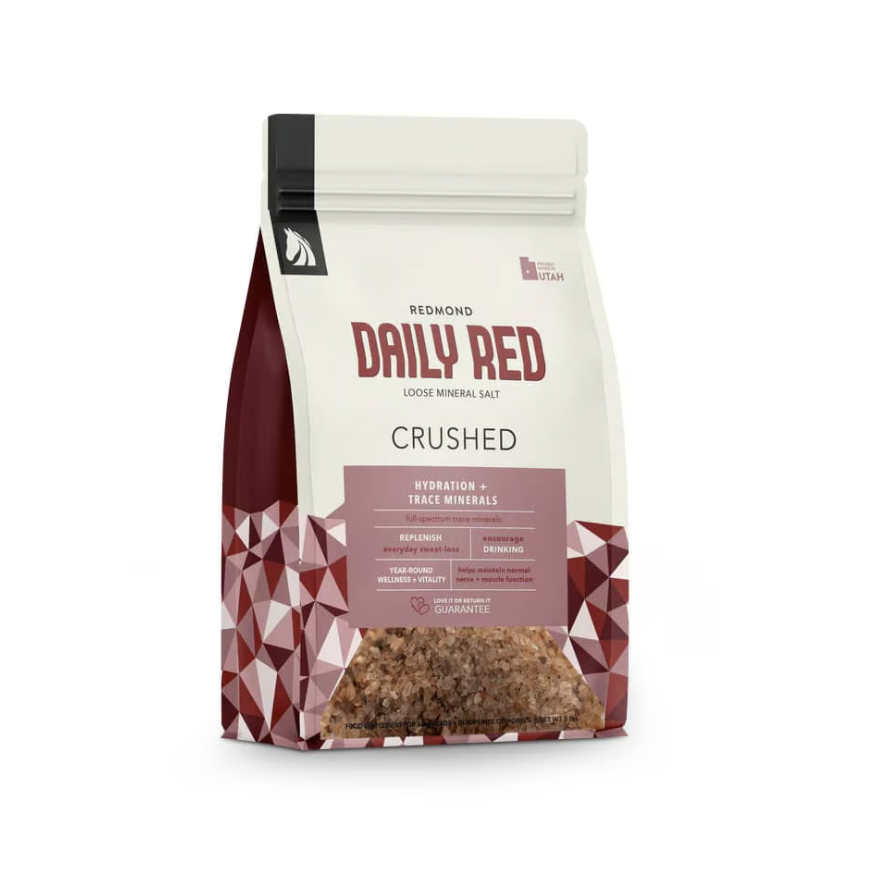
Plain loose salt or a salt block encourages thirst and helps horses replace sodium lost through sweat.
Introduce Flavored Water Before You Travel
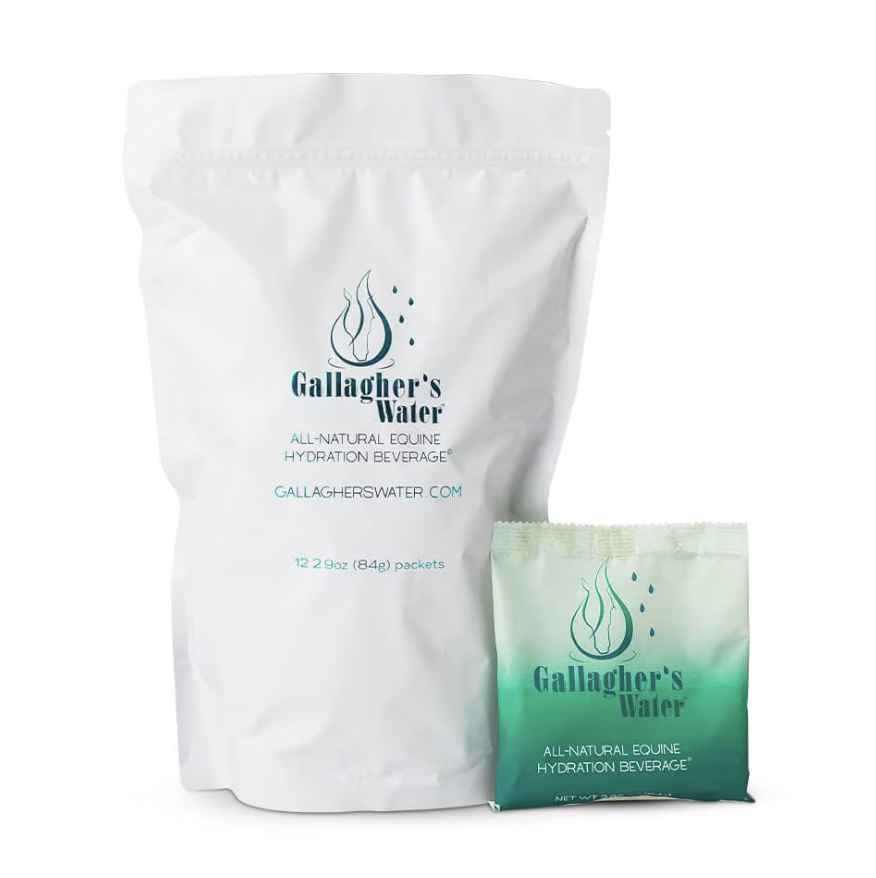
If your horse likes flavored water at home, they’re more likely to drink it at competitions when the water source changes.
When Should You Use Electrolytes?
Sweat doesn’t just remove water. It also removes important minerals like sodium, chloride, potassium, calcium, and magnesium.
Electrolyte supplementation can be especially beneficial for horses that:
- Sweat heavily
- Compete regularly
- Travel frequently
- Work in hot, humid weather
- Exercise frequently
Electrolytes help replace minerals lost through sweat and support normal muscle and nerve function. Because sodium also stimulates thirst, electrolyte supplementation can encourage horses to drink more water when used appropriately. Fresh water should always be available whenever electrolytes are given.
Favorite Hydration Solutions
Not every horse responds to the same hydration strategy. Fortunately, several options exist to fit different horses and situations.
Electrolyte Powders & Pastes
Traditional electrolyte powders and oral pastes remain a staple for many horses. Powders work well for daily supplementation and can be mixed into feed, while pastes are convenient before or after hauling, competitions, or intense workouts.
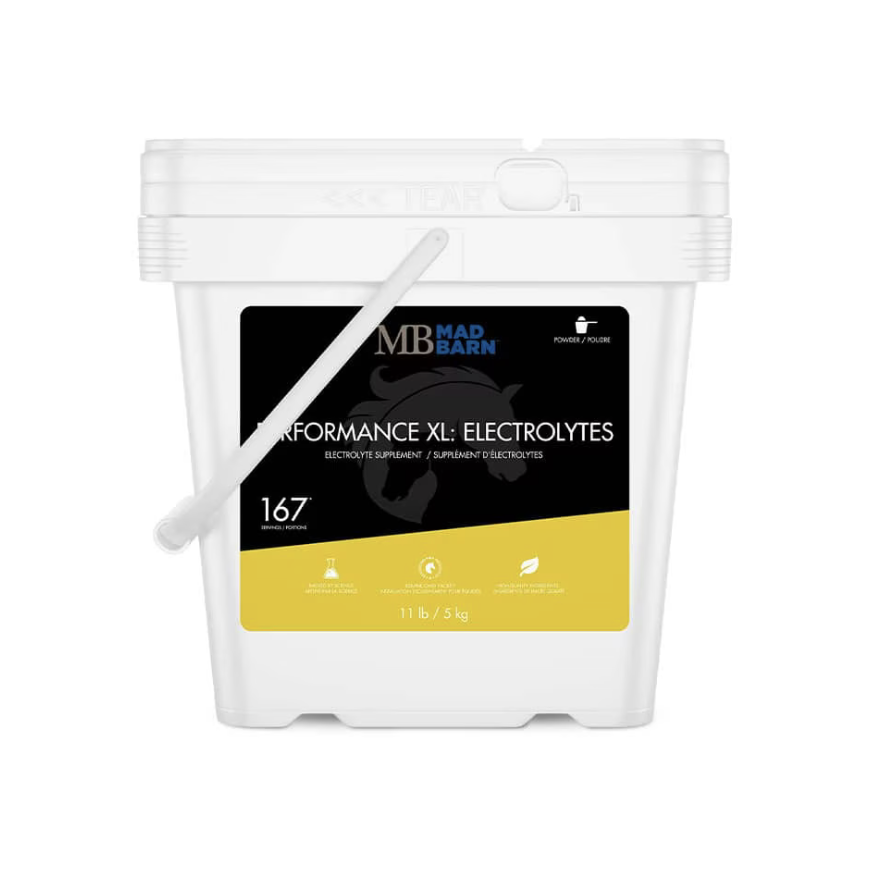
A FarmVet favorite,, MadBarn Performance XL Electrolytes provides a scientifically formulated blend of sodium, chloride, potassium, calcium, and magnesium to replace electrolytes lost through sweat. The highly palatable formula can be mixed into feed or water and is designed to support hydration, muscle function, and post-exercise recovery.
Electrolyte Patches
Some horses refuse electrolyte powders or pastes altogether. For those picky horses, Equiwinner Hydration Patches offer a completely different approach.
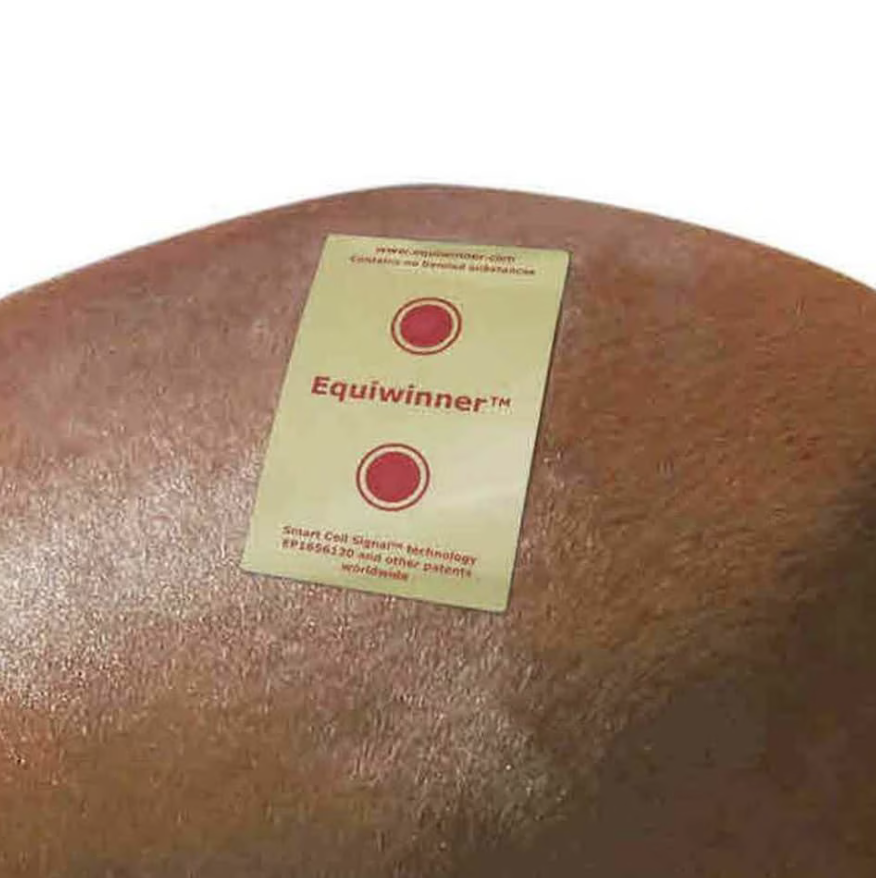
Instead of being consumed, the patches are applied externally and are designed to support normal electrolyte activity and hydration without changing the taste of feed or water. They’re especially popular among owners of horses that become difficult to keep hydrated during competition season.
Water Flavor Enhancers
For horses that simply don’t enjoy drinking, flavor enhancers can make all the difference.
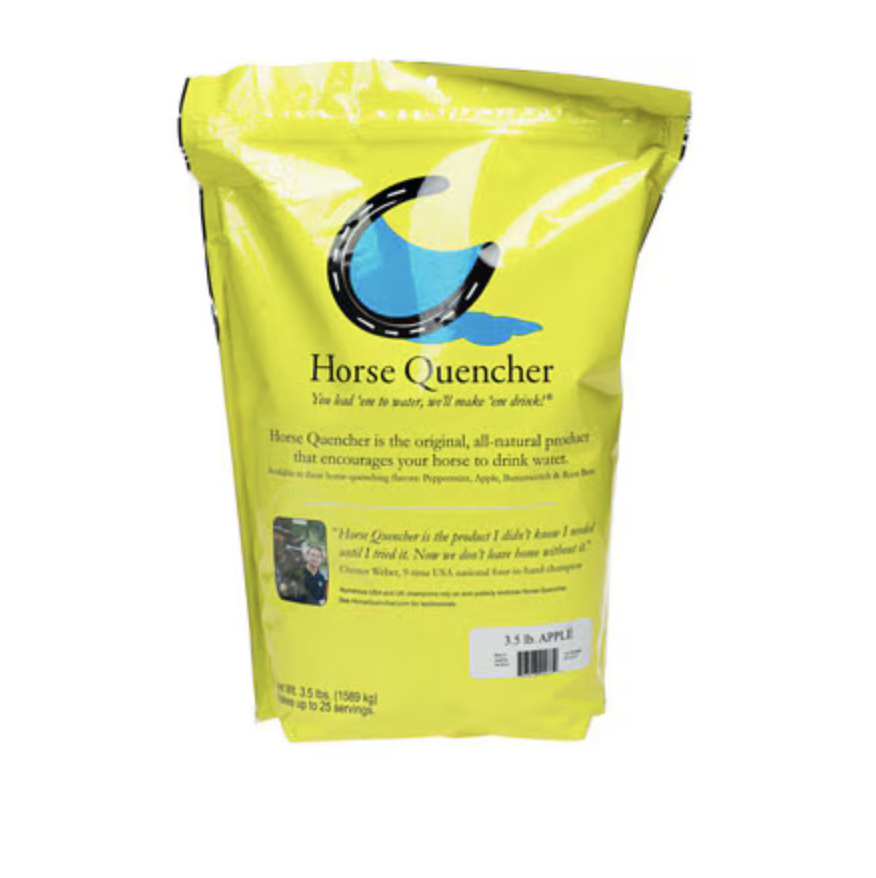
Products like Horse Quencher and Gallagher’s Water are designed to make water more appealing while also providing electrolyte support. They’re excellent options for horses that are traveling, competing, or hesitant to drink unfamiliar water.
Help Your Horse Stay Hydrated
Hydration is about much more than keeping a water bucket full. Paying attention to your horse’s drinking habits, recognizing early signs of dehydration, and supporting hydration during travel, hot weather, and exercise can make a significant difference in both health and performance.
Whether your horse benefits from a daily electrolyte supplement, an innovative hydration patch, or a flavored water additive, find a variety of hydration solutions at FarmVet to help keep horses drinking and performing their best.