
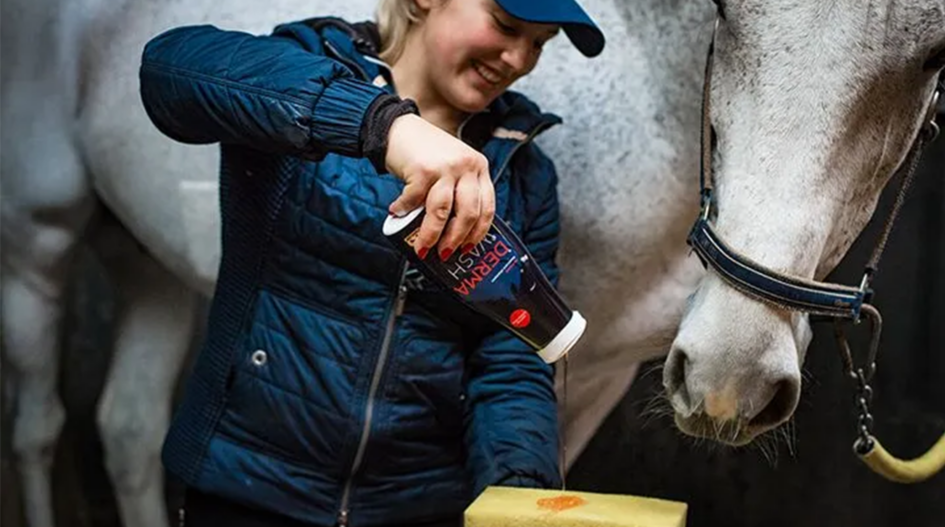
If you’ve been around horses long enough, you know mud season isn’t just messy – it’s prime time for skin issues. Between constant moisture, mud buildup, and temperature swings, your horse’s skin can take a serious hit. From scratches and rain rot to general irritation and dryness, this time of year requires a little extra attention to keep your horse comfortable and healthy.
Let’s break down what’s really going on, and how to treat (and prevent) common skin problems during mud season.
Why Mud Season Wreaks Havoc on Skin
A horse’s skin is its largest organ, acting as the first line of defense against the outside world. It protects against bacteria, environmental irritants, and infection. But when that barrier is constantly exposed to wet, muddy conditions, it starts to weaken.
Prolonged moisture softens the skin, making it more vulnerable to bacteria and fungi that thrive in damp environments. Add in dirt and manure, and you’ve got the perfect setup for issues like:
- Scratches (pastern dermatitis)
- Rain rot
- Fungal infections
- General irritation and flaking
The goal during mud season isn’t just to treat problems, it’s to support the skin so it can protect itself.
The Role of the Skin’s Natural Microbiome
It might sound surprising, but healthy skin is full of microorganisms including bacteria, fungi, and more. This natural microbiome plays a critical role in protecting your horse by keeping harmful bacteria in check and supporting wound healing.
When this balance is disrupted, that’s when problems start. Overwashing, using harsh products, or stripping the skin too aggressively can remove both the “bad” and the good bacteria, leaving the skin more vulnerable than before.
That’s why it’s important to choose treatments that clean and protect without completely wiping out the skin’s natural defenses.
Why pH Matters More Than You Think
Your horse’s skin has a specific pH level that helps maintain a healthy microbiome. Many common soaps and shampoos (especially ones not designed for horses) can disrupt that balance.
When the pH is thrown off, you may see:
- Dryness or flaking
- Increased sensitivity
- Slower healing
- Greater risk of infection
Using products specifically formulated for horses helps maintain that balance while still addressing the issue at hand.
Step 1: Clean Without Over-Stripping
When dealing with mud-related skin issues, cleaning is essential. But it has to be done the right way.
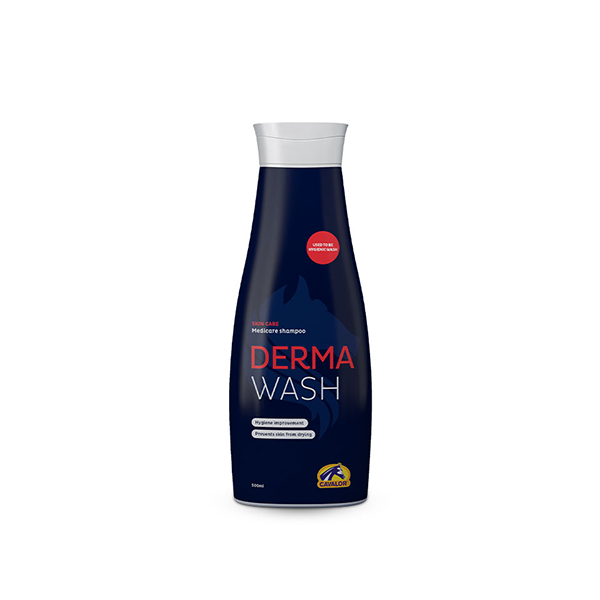
Cavalor Derma Wash is a great go-to during mud season. It’s a deep-cleaning shampoo that uses chlorhexidine, a powerful disinfectant, to target harmful bacteria without disrupting the skin’s pH or microbiome. While it may not lather as much as some shampoos, that’s actually by design. Its formula avoids ingredients that interfere with its effectiveness.
Use it to:
- Clean affected areas like scratches or rain rot
- Wash minor wounds
- Bathe new horses coming into the barn
- Even disinfect tack if needed
The key is to clean thoroughly, then allow the skin to dry completely so that moisture left behind won’t waste your efforts.
Step 2: Restore and Protect the Skin Barrier
After cleaning, the next step is just as important: helping the skin recover and defend itself.
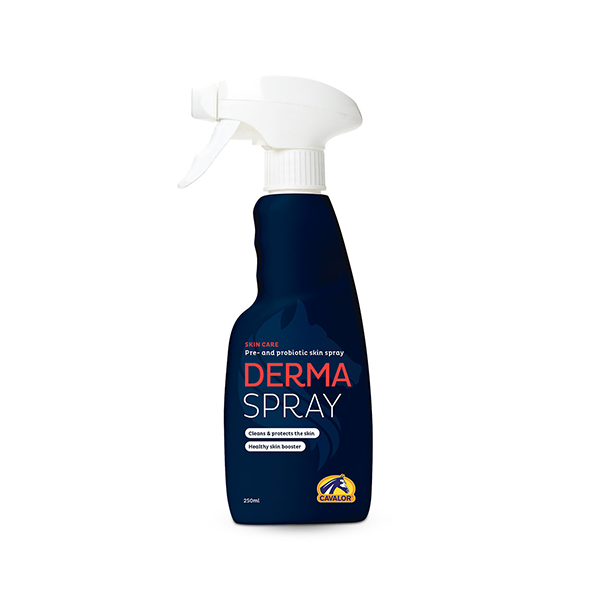
Cavalor Derma Spray works differently than many topical treatments. Instead of stripping the skin, it supports the repopulation of beneficial bacteria while helping prevent infection. It’s easy to apply and versatile enough to use on:
- Skin irritations
- Small wounds
- Mane and tail areas
- General skin problems
This kind of support is especially valuable during mud season, when the skin is constantly under stress.
Step 3: Target Mud-Specific Conditions
For horses dealing with persistent wet conditions—especially in the lower legs and hooves—targeted products can make a big difference.
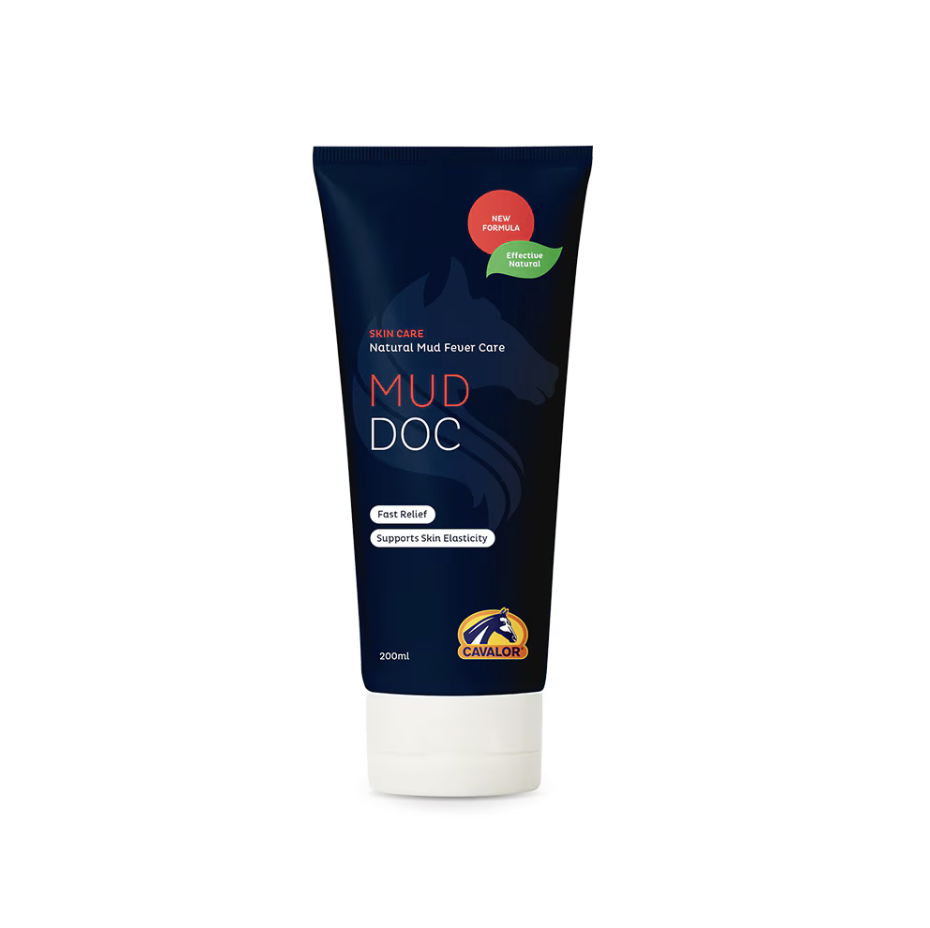
Cavalor Mud Doc is designed specifically for treating and preventing scratches and other mud-related skin conditions. It helps soothe irritated skin while creating a protective barrier against bacteria and moisture. This is especially helpful for horses turned out in muddy paddocks where keeping legs dry isn’t always realistic.
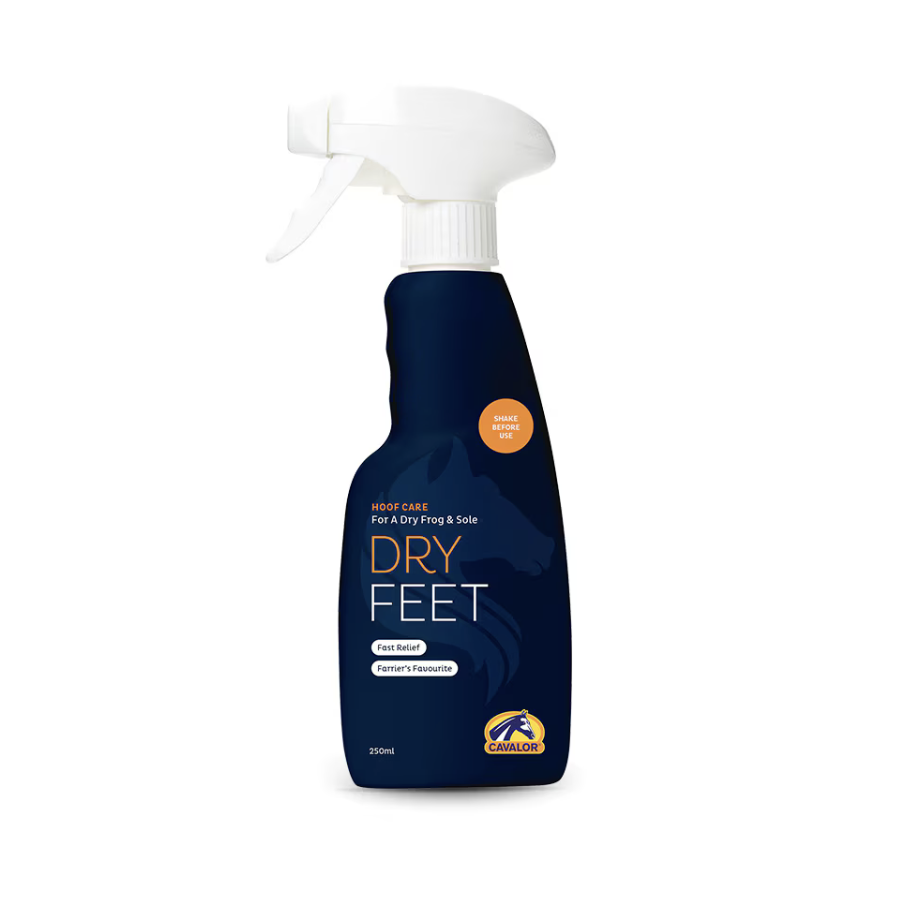
For hoof care, Cavalor Dry Feet is another strong addition to your mud season routine. Constant exposure to wet conditions can weaken hooves and make them more susceptible to issues like thrush. Dry Feet helps harden and protect the sole and frog, supporting overall hoof health even in less-than-ideal conditions.
Practical Mud Season Tips
Beyond products, a few simple management changes can go a long way:
- Keep legs as dry as possible: Towel dry after turnout or hosing
- Avoid over-washing: Only bathe when necessary to prevent stripping natural oils
- Check daily: Catch small issues before they turn into bigger problems
- Improve turnout areas if possible: Even small changes like adding stone dust or mats can reduce prolonged exposure to mud
Consistency is key. Mud season isn’t won in a single treatment, but in daily care.
The Bottom Line
Not all bacteria is bad, and not all treatments are created equal. During mud season, the goal is to support your horse’s skin, not strip it down completely. By choosing products that respect the skin’s natural microbiome and pH, you’re setting your horse up for faster healing and better long-term skin health.
And for full-body support during challenging conditions, don’t overlook joint care. Learn more about how Cavalor Arti Repair can help keep your horse comfortable and moving well.
You can find these products and more spring essentials at FarmVet.
1 Pingback